About
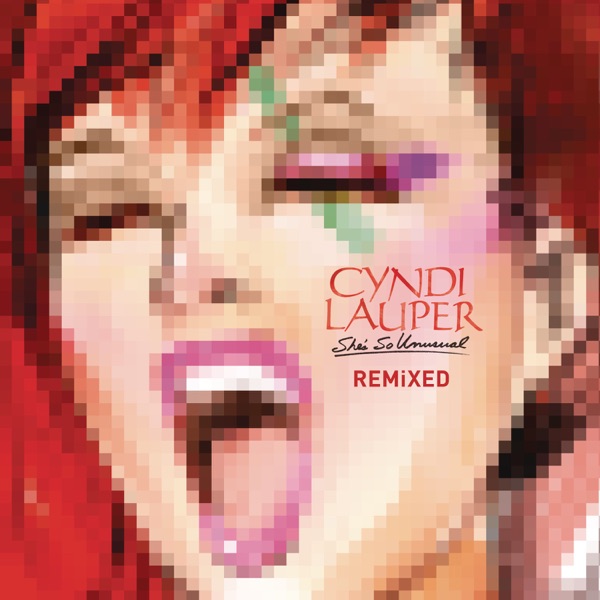
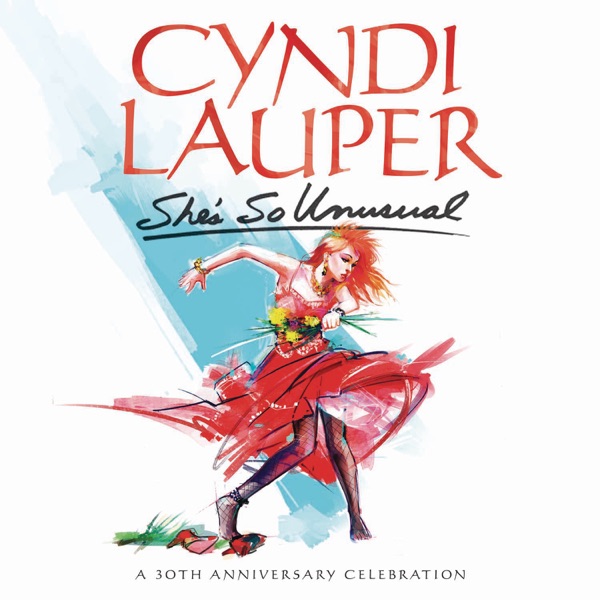
Before she became a solo icon, Cyndi Lauper was cutting her teeth in the New York club scene with a band called Blue Angel in the late 1970s, blending new wave energy with a rawer, almost street-level rock sensibility. When that project dissolved, she launched her solo career with a vengeance, releasing She's So Unusual in 1983 — a debut that hit like a freight train and produced four top-five singles, a record at the time for a debut album. Lauper's sound was a thrilling collision of new wave, pop, and rock, driven by her extraordinary vocal range and a knack for hooks that lodged permanently in your brain.
What set Lauper apart from the MTV pack wasn't just the technicolor hair and thrift-store fashion — it was genuine substance beneath the spectacle. Girls Just Want to Have Fun and Time After Time showcased two completely different emotional registers, proving she wasn't a one-trick pony. Her follow-up True Colors in 1986 leaned into a more reflective, polished direction. Culturally, Lauper was a genuine force, championing LGBTQ rights long before it was fashionable and bringing a fiercely independent female voice to a rock landscape that badly needed it. She remains one of the 1980s' most authentic and underrated rock-adjacent figures.
Discography 30













Episodes 3


From the Mosh Pit 5

New Episode: **Cyndi Lauper's "All Through the Night"** (1983) - What Makes This One Work

New Episode: Cyndi Lauper's "She Bop" 1983 - Icon Making Pop Magic
New Episode: Cyndi Lauper's "Girls Just Want To Have Fun" - Let's Discuss!

The first Slowdown Sunday of seasn 6 is here as we head back to 1983 and the debut album of Cyndi Lauper.
Cyndi Lauper had multiple offers to go solo and she finally did and her 1983 debut was a worldwide smash.