About
Out of Luton, England in 1967 came one of rock's most distinctive and eccentric outfits. Jethro Tull built their identity around the charismatic Ian Anderson, whose flute playing and theatrical stage presence set them miles apart from their contemporaries. Alongside early members like guitarist Martin Barre, who stayed with the band for decades, Anderson crafted a sound that blended blues rock, folk, classical, and progressive rock into something genuinely unlike anything else happening at the time. The flute as a lead rock instrument was practically unheard of, and Anderson made it iconic.
The band hit their creative peak through the early-to-mid seventies with a string of essential albums. Aqualung from 1971 remains their signature work, a meditation on religion, homelessness, and society wrapped in thunderous riffs and delicate acoustic passages. Thick as a Brick and A Passion Play pushed further into prog territory with ambitious side-long compositions, while Songs from the Wood embraced a folksier, pastoral direction. These records showed a band never content to repeat themselves.
Jethro Tull's cultural footprint is bigger than casual listeners might realize. They controversially won the first-ever Grammy for Best Hard Rock/Metal Performance in 1989, beating Metallica, which caused an uproar that actually introduced them to a whole new generation of fans. Decades on, their catalog holds up remarkably well for anyone willing to dig in.
Discography 33


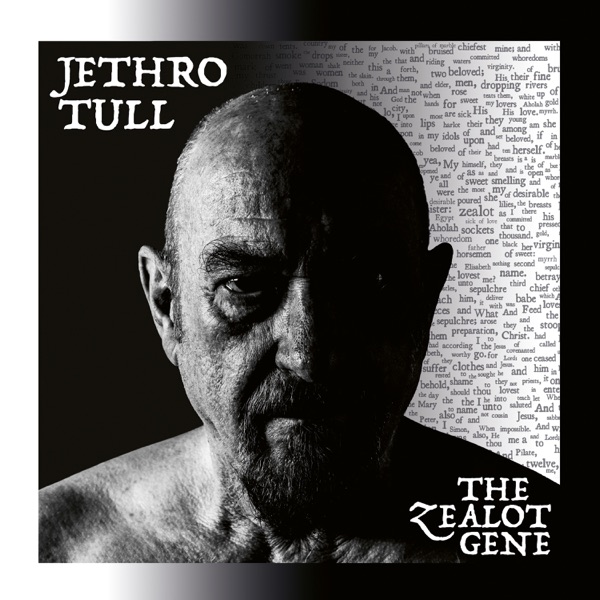


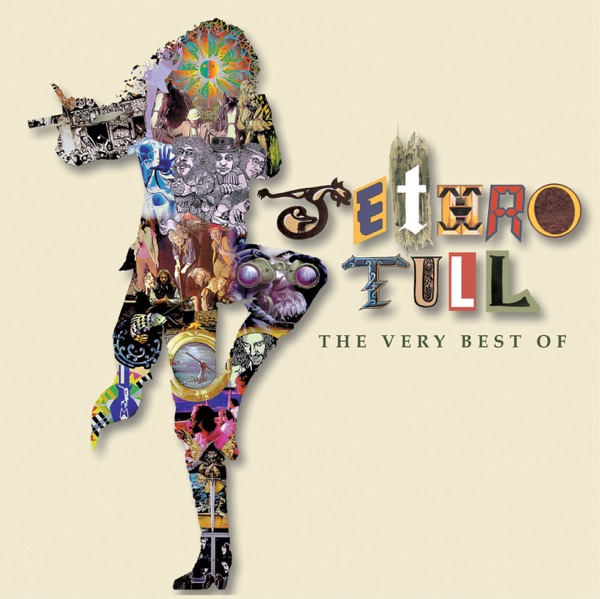

![A Little Light Music (Live) [Remastered] album cover](https://is1-ssl.mzstatic.com/image/thumb/Music62/v4/d5/cc/87/d5cc87fd-0785-4702-a24c-0cf6806bfc20/094632195456.jpg/600x600bb.jpg)


![Stormwatch (40th Anniversary Special Edition) [2020 Steven Wilson Stereo Remix] album cover](https://is1-ssl.mzstatic.com/image/thumb/Music113/v4/f3/50/7c/f3507cff-f413-21bd-3b62-33ca5c040825/190295400859.jpg/600x600bb.jpg)
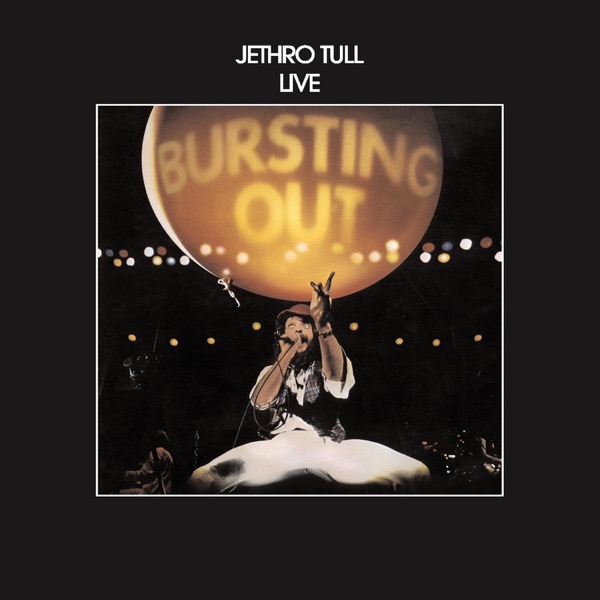

![Songs from the Wood (40th Anniversary Edition) [2017 Steven Wilson Stereo Remix] album cover](https://is1-ssl.mzstatic.com/image/thumb/Music118/v4/6b/a8/5f/6ba85fbd-798d-b3e3-b40a-9b8af78ab397/190295847821.jpg/600x600bb.jpg)
![Too Old to Rock 'N' Roll: Too Young to Die! (40th Anniversary TV Special Edition) [2015 Steven Wilson Remix] album cover](https://is1-ssl.mzstatic.com/image/thumb/Music6/v4/54/e9/a4/54e9a434-4c25-e711-176c-6edb9a26e31e/825646035502.jpg/600x600bb.jpg)
![Minstrel in the Gallery (40th Anniversary: La Grande Édition) [2015 Steven Wilson Remix] album cover](https://is1-ssl.mzstatic.com/image/thumb/Music5/v4/de/5f/cc/de5fcc9b-38a2-94dc-500c-07768e14f96b/825646157174.jpg/600x600bb.jpg)
![War Child (Bonus Tracks Edition) [2002 Remaster] album cover](https://is1-ssl.mzstatic.com/image/thumb/Music114/v4/4c/41/7e/4c417ea8-55a4-8f6f-784d-c0caf09f441b/724354157158.jpg/600x600bb.jpg)

![A Passion Play (An Extended Performance) [2014 Steven Wilson Stereo Remix] album cover](https://is1-ssl.mzstatic.com/image/thumb/Music4/v4/85/04/3a/85043a54-57c9-c0f8-01e7-7183e6ea1b57/825646286607.jpg/600x600bb.jpg)


![Aqualung (40th Anniversary Special Edition) [2011 Steven Wilson Mix] album cover](https://is1-ssl.mzstatic.com/image/thumb/Music/v4/5b/7b/78/5b7b7831-3d31-336f-7fca-0789c4814bb6/5099908800251_1592x1592_300dpi.jpg/600x600bb.jpg)
![Benefit (Collector's Edition) [2013 Steven Wilson Stereo Mix] album cover](https://is1-ssl.mzstatic.com/image/thumb/Music/v4/1a/92/74/1a9274e3-05a0-4322-bcf2-a6ba4dae484a/825646408252.jpg/600x600bb.jpg)
![Stand Up (2010 Collector's Edition) [2001 Remaster] album cover](https://is1-ssl.mzstatic.com/image/thumb/Music/v4/fe/ed/6f/feed6ffa-477c-9003-658d-92049936740b/5099963124859.jpg/600x600bb.jpg)
![This Was (50th Anniversary Edition) [2018 Steven Wilson Stereo Remix] album cover](https://is1-ssl.mzstatic.com/image/thumb/Music114/v4/a2/82/66/a28266d2-3993-be85-23ea-e5af54000262/190295611453.jpg/600x600bb.jpg)
Episodes 2


From the Mosh Pit 5

Vinnie's Crate Dig: Aqualung — A pressing that actually deserves the vinyl it's printed on

New Episode: S3E11 Jethro Tull "Locomotive Breath" - Let's Talk About It!
New Episode: Ian Anderson/Jethro Tull SOTD - Let's Talk About It

A Brief Introduction From Someone Who Actually Knows What He's Talking About
May and June 2026: Smart Money and Genuine Value in the Reissue Market