About
Born Roberta Joan Anderson in 1943 in Alberta, Canada, Joni Mitchell emerged from the late-60s folk scene to become one of the most daring and influential artists of her generation. She taught herself guitar after contracting polio as a child, developing an unconventional open-tuning style that would define her sound. Moving through the folk circuit and eventually settling in California, she became a central figure in the Laurel Canyon scene alongside Crosby, Stills, Nash and Young, though Mitchell always resisted easy categorization.
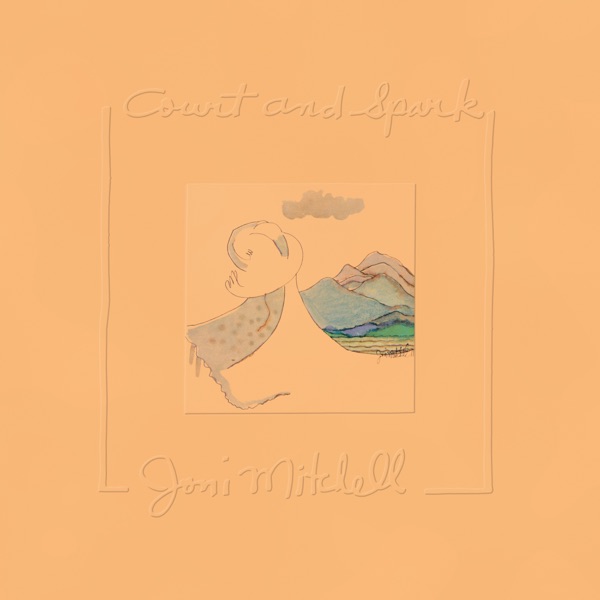
Her catalog is genuinely staggering. Blue from 1971 is frequently cited as one of the greatest albums ever recorded, a raw and confessional masterpiece that rewrote what singer-songwriters could do emotionally. She then pushed further into jazz fusion territory with Court and Spark, The Hissing of Summer Lawns, and the ambitious Mingus collaboration, moves that confused some fans but demonstrated a restless artistic intelligence. Her guitar work, tuning innovations, and complex chord voicings influenced countless rock guitarists whether they realized it or not.
Mitchell's cultural footprint is enormous. She wrote Woodstock without even attending the festival, and her influence runs through everyone from Prince to Taylor Swift to Tori Amos. After battling a rare neurological disorder called Morgellons disease, her triumphant return to live performance at Newport Folk Festival in 2022 reminded the world exactly why she matters.
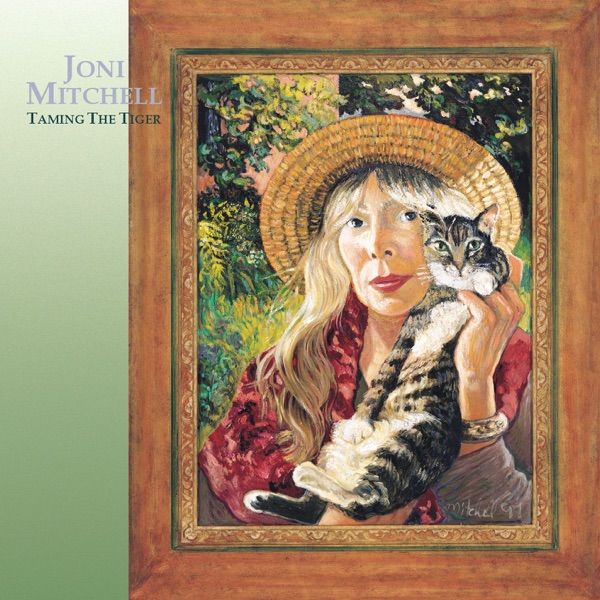
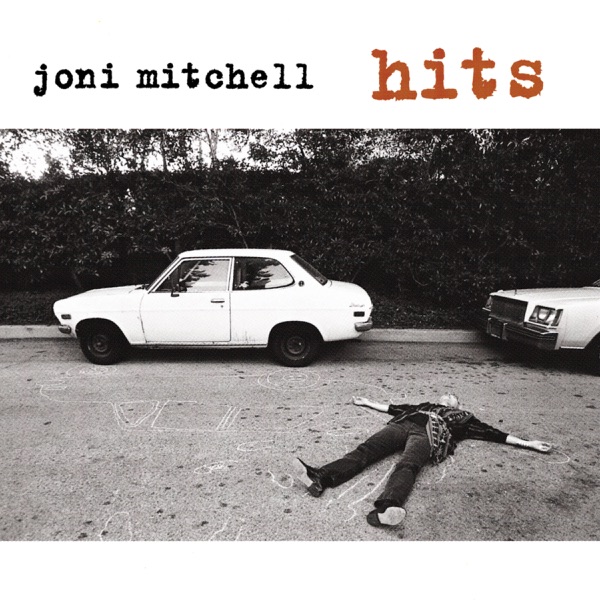
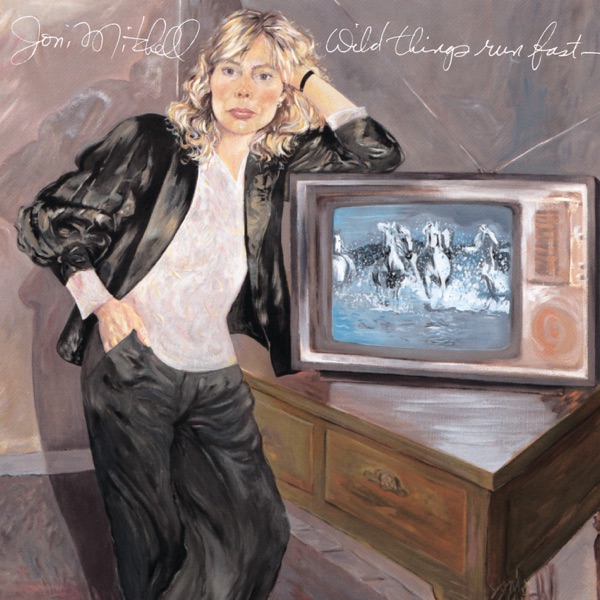
Discography 32







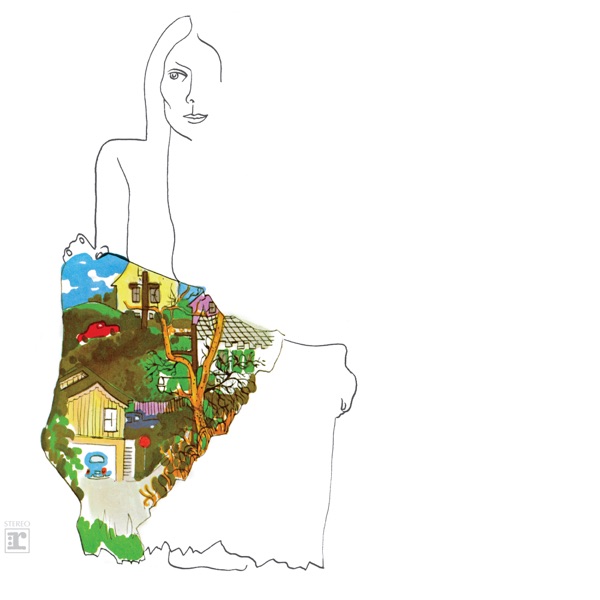
![Miles of Aisles (Live) [2022 Remaster] album cover](https://is1-ssl.mzstatic.com/image/thumb/Music122/v4/bb/ae/02/bbae0208-1d39-8064-ccf6-8874fc5e79c7/603497833443.jpg/600x600bb.jpg)




Episodes 2


From the Mosh Pit 6

Three Legends, One Day: June 22 Gave Rock Two Albums That Still Matter

New Episode: S4E93 - River by Joni Mitchell (1971) - Let's Talk About This Masterpiece
New Episode: Joni Mitchell's "Blue" at 50 — Let's Talk About a Perfect Album
October's Worth Your Attention: Costello, KISS, and the Real Reissue Story
Deep Cuts Only: **Going to California** — the softest moment on hard rock's defining album

Slowdown Sunday with a non-Christmas Christmas song by Joni Mitchell.