About
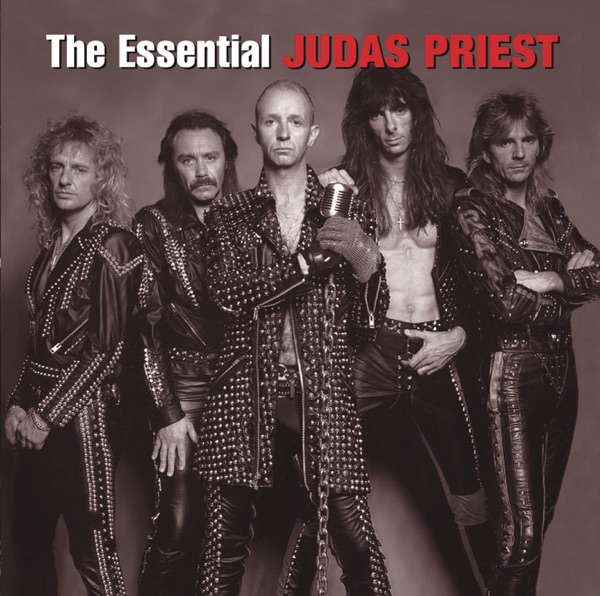
Birmingham's own Judas Priest emerged from the early 1970s British heavy metal scene, taking the raw energy of their local predecessors and forging something sharper, heavier, and more precise. Rob Halford's operatic screams and leather-clad stage persona became synonymous with heavy metal itself, while the twin guitar assault of Glenn Tipton and K.K. Downing defined the sound of an entire genre. Bassist Ian Hill and a rotating cast of drummers — most notably Scott Travis — rounded out a lineup that proved remarkably durable over five decades.
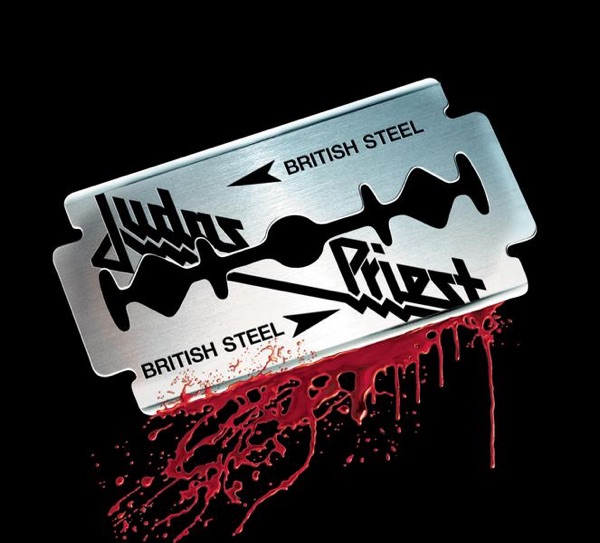
Musically, Priest helped codify heavy metal's rulebook. Albums like Sad Wings of Destiny, British Steel, and Screaming for Vengeance delivered anthems that still hit hard today — Breaking the Law, You've Got Another Thing Comin', and Painkiller are stone-cold classics that belong in any serious rock conversation. Their twin-lead guitar approach and Halford's vocal range set a standard that countless bands have chased but rarely matched.
The cultural footprint Judas Priest left behind is enormous. They helped birth the New Wave of British Heavy Metal, influenced thrash, power metal, and beyond, and survived a notorious 1990 subliminal messaging trial with their legacy intact and arguably stronger. Halford's public coming out in 1998 also added a quietly significant chapter to rock history. These guys aren't just a band — they're the metal gods.
Discography 28










Episodes 2


From the Mosh Pit 14

Alice vs. Jimmy: Judas Priest? Sure. But Let's Talk About Rob Halford

Jimmy's Band Spotlight: Judas Priest — The Band That Made Metal Look Like Metal
Side by Side: **Screaming for Vengeance** vs. **British Steel** — Which Priest peaked first?
New Episode: Judas Priest's British Steel (1980) w/ Frank Sassano - Let's Talk!

New Episode: **British Steel** at 41 — How Judas Priest Changed Everything

November's rock vinyl slate is loud, but only a few of these are worth the money
Judas Priest losing Ian Hill and Nightwish dumping Floor Jansen, what a week
October 2026 Rock & Metal Releases: Iommi, Ministry, and the Heavy Hitters
Zoe's Playlist: Monday Morning Metal (to survive the week)
This Week's Metal Got Heavy — Brand New Back, Behemoth Dropping Fire, Accept Goes All-Star

Wanderlust Wednesday with Jon Astley the famed record producer who whorked with everyone from The Who, Stones, ABBA,...
OCTANE FRIDAY! Break out your leather and crops and mirrored sunglasses for 18 minutes of fun because we are heading...
New Episode: Pat Boone In a Metal Mood 1997 - Let's Talk About This
New Episode: S1 E52 US Festival - Breaking Down a Historic Moment