About
Long before punk, new wave, or alternative rock had names, Lou Reed was already living them. As the creative engine behind the Velvet Underground in the late 1960s, Reed helped craft one of the most influential catalogs in rock history alongside John Cale, Sterling Morrison, Maureen Tucker, and the iconic Nico. Their albums, particularly the debut with its Andy Warhol banana cover and White Light/White Heat, were commercial flops but artistic earthquakes that rewired what rock music could say and how it could say it.
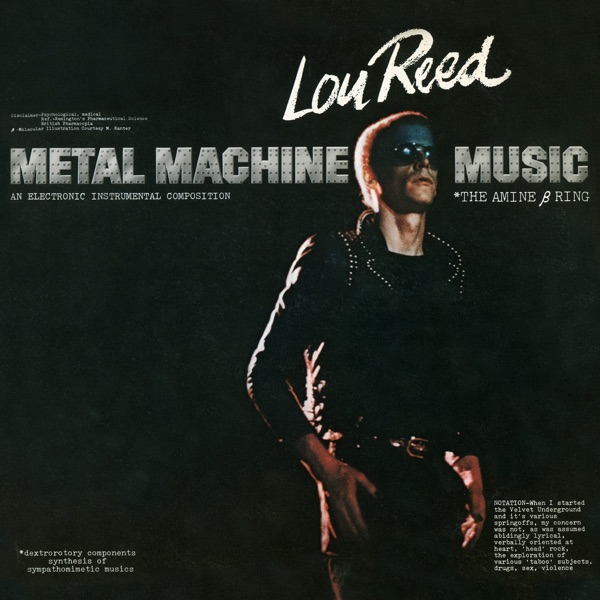
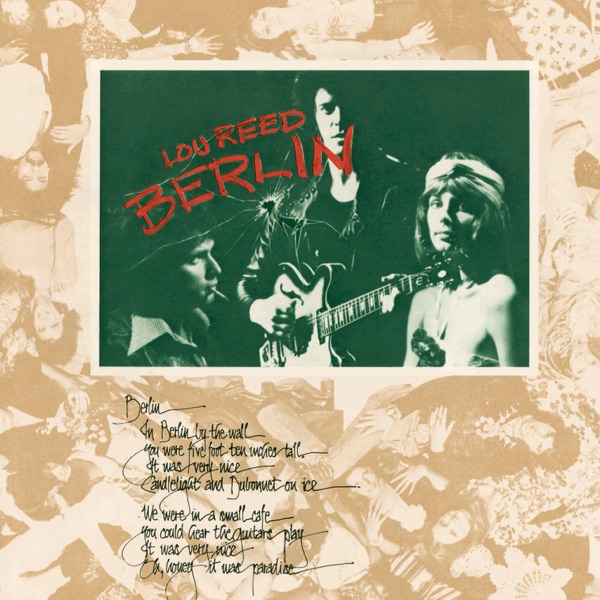
After leaving the Velvets in 1970, Reed launched a solo career that zigged and zagged in ways that kept critics and fans perpetually off balance. Transformer, produced by David Bowie and Mick Ronson in 1972, gave him his only real mainstream hit with Walk on the Wild Side and became a glam rock landmark. Berlin followed as a brutally dark concept album, and then came Metal Machine Music, an hour of pure guitar noise that alienated nearly everyone. That restless refusal to play it safe defined him.
Reed's cultural footprint is enormous. He brought street-level poetry, sexual ambiguity, and unflinching subject matter into rock at a time when that took genuine nerve. Bands from R.E.M. to the Strokes have cited him as essential. He died in 2013, but his influence never really left the building.


![Lou: Live and Wild (1972) - [The Dave Cash Collection] album cover](https://is1-ssl.mzstatic.com/image/thumb/Music/8e/1f/13/mzi.hggrauny.tif/600x600bb.jpg)