About
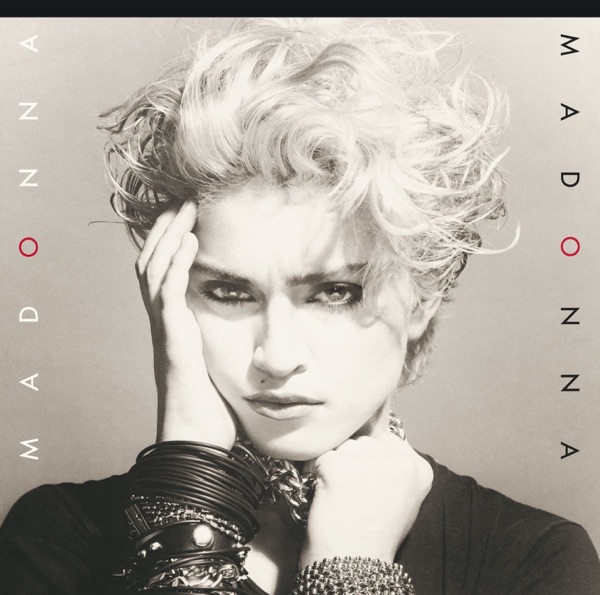
Few artists have wielded pop music like a weapon the way Madonna Louise Ciccone has. Emerging from the New York club scene in the early 1980s after relocating from Michigan, she cut her teeth in short-lived rock and dance outfits before going solo, hooking up with producers Reggie Lucas and Jellybean Benitez to craft the synth-driven sound that would launch her into the stratosphere. Her 1983 self-titled debut and the explosive Like a Virgin established her as a force that refused to be ignored.
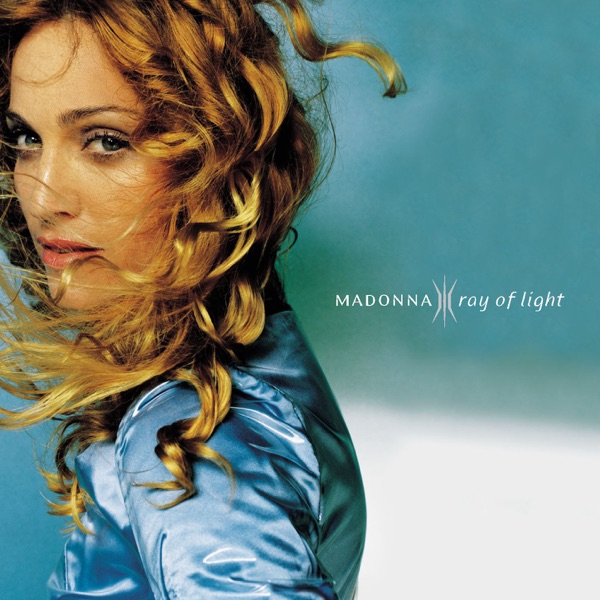
Musically, Madonna has always been a chameleon, blending dance-pop, new wave, and electronic grooves with enough attitude to keep rock fans paying attention. Albums like Like a Prayer flirted with gospel and hard-edged rock textures, while Ray of Light dove headfirst into electronic experimentation. She has collaborated with everyone from Prince to Mirwais Ahmadzai, constantly reinventing her sonic palette. Critically, she is often underestimated in rock circles, but her guitar-forward moments and rebellious edge deserve genuine respect.
Culturally, her impact is simply undeniable. She challenged censorship, redefined how female artists could own their sexuality and image, and influenced virtually every pop act that followed. Love her or not, Madonna reshaped what mainstream music could look like.
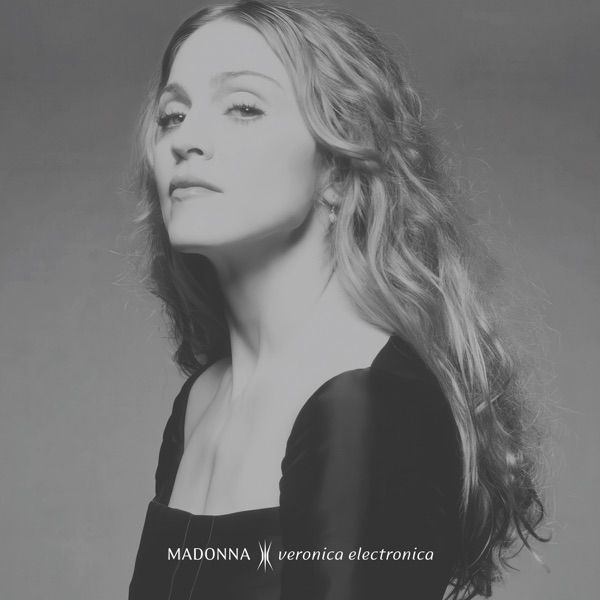
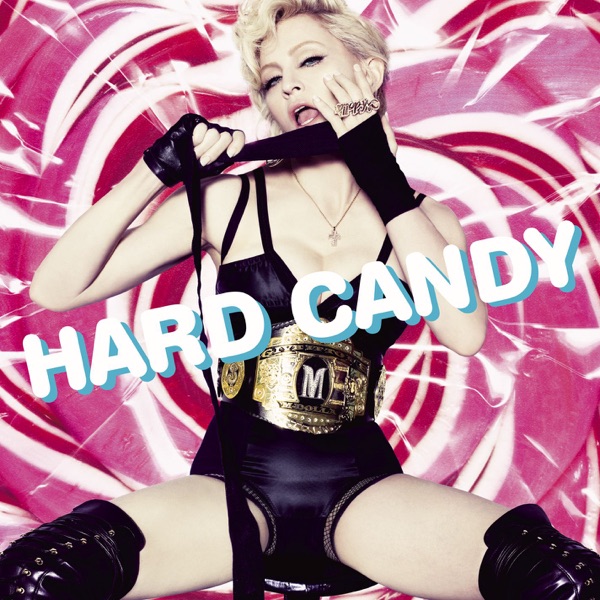
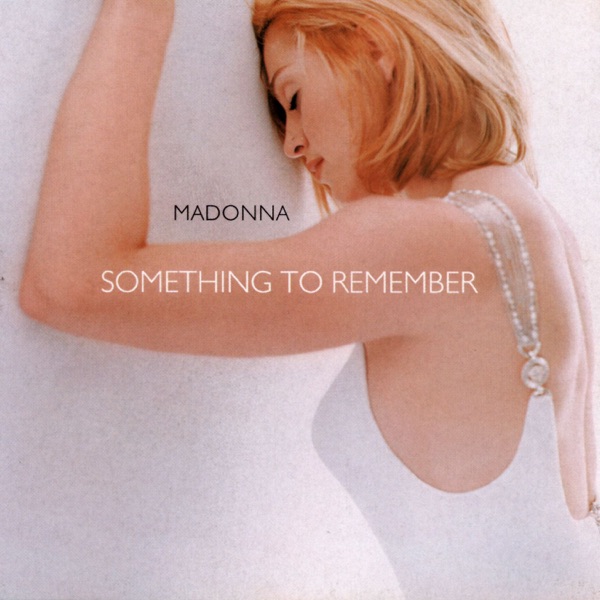
Discography 18






Episodes 2


From the Mosh Pit 4
New Episode: Madonna is 63 - Let's Talk About the Material Girl
New Episode: "Justify My Love Turns 30" - Let's Talk!
S1 E110: Madonna's "Lucky Star" - The Song That Started the Machine

The band Breakfast Club from New York City formed in 1979 and soon had a drummer named Madonna who quickly had lead...