About
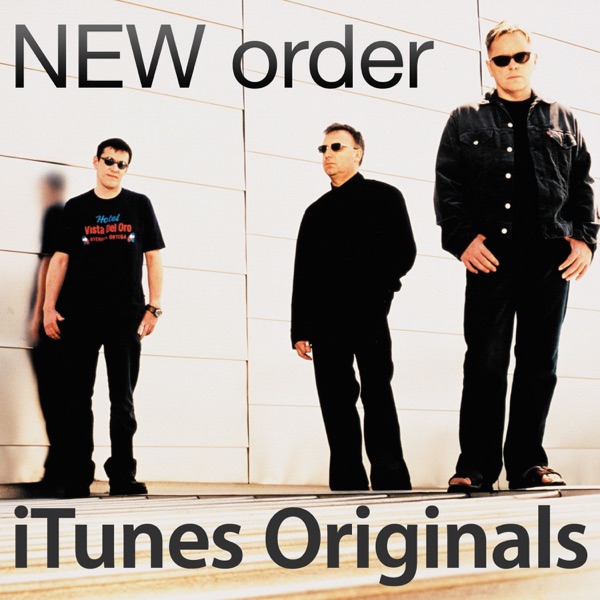
Rising from the ashes of Joy Division following the tragic suicide of Ian Curtis in 1980, New Order emerged as one of the most influential acts of the post-punk era. Bernard Sumner, Peter Hook, Stephen Morris, and later Gillian Gilbert rebuilt themselves from grief and uncertainty into something entirely new, blending the dark guitar textures of their previous band with synthesizers, drum machines, and electronic dance music. It was a bold pivot that could have failed spectacularly, but instead it changed music forever.
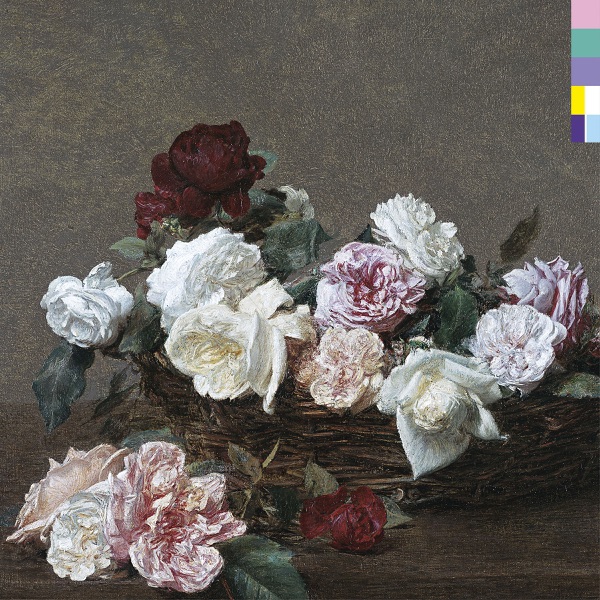
Their 1983 single Blue Monday became the best-selling 12-inch single in history, and albums like Power, Corruption and Lies, Technique, and Republic cemented their reputation as architects of a sound that bridged rock and club culture. Peter Hook's melodic, high-riding bass lines became a signature element, instantly recognizable and widely imitated. The band never quite fit neatly into any single category, which is exactly what made them so compelling.
New Order's cultural footprint is enormous. They soundtracked the Madchester scene, influenced countless alternative and electronic acts, and proved that rock musicians could embrace dance music without selling out. For fans who appreciate artists willing to evolve and take real risks, New Order remains essential listening.








![Movement (Definitive) [2019 Remaster] album cover](https://is1-ssl.mzstatic.com/image/thumb/Music126/v4/63/5d/30/635d3043-6db7-3a21-269c-edbcfac4a82f/190295449360.jpg/600x600bb.jpg)