About
Stevie Wonder burst onto the scene as a child prodigy, signing with Motown Records at just 11 years old in 1961 under the guidance of label founder Berry Gordy. Born Stevland Hardaway Morris in Saginaw, Michigan, Wonder was a one-man powerhouse from the start, playing piano, harmonica, and drums with a natural fluency that left seasoned musicians shaking their heads. His blindness, far from limiting him, seemed to sharpen a musical instincts that bordered on supernatural.
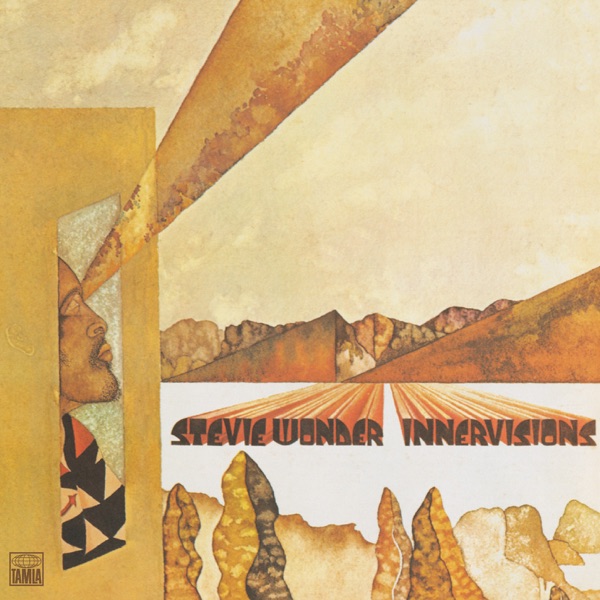
What makes Wonder genuinely essential listening even for die-hard rock fans is the sheer ambition of his classic 70s run. Albums like Innervisions, Talking Book, Songs in the Key of Life, and Fulfillingness' First Finale represent a creative peak that rivals anything rock's heavyweights were putting out at the same time. He was layering synthesizers, funk grooves, jazz harmony, and raw emotional honesty into records that felt like complete artistic statements rather than just collections of singles.
Culturally, Wonder's fingerprints are everywhere. He pushed Motown beyond its polished pop formula and helped legitimize the idea that R&B artists could control their own creative vision. Rock fans who appreciate artists like Prince or even progressive rock's more ambitious corners will find a lot to connect with here. He is one of those rare artists who transcended genre entirely, and his catalog holds up without a single apology.