About
Birmingham, England gave the world The Moody Blues in 1964, a band that would redefine what rock music could aspire to be. Originally a rhythm and blues outfit featuring Denny Laine and Mike Pinder, the group found its true identity when Justin Hayward and John Lodge joined in 1966, completing a lineup that also included Ray Thomas and Graeme Edge. That chemistry proved alchemical. What followed was a run of records that blurred the lines between rock, classical, and pure psychedelic ambition in ways few bands have matched before or since.
Days of Future Passed from 1967 is the cornerstone, a full orchestral collaboration with the London Festival Orchestra that produced the timeless Nights in White Satin. Albums like In Search of the Lost Chord, On the Threshold of a Dream, and To Our Childrens Childrens Children cemented their reputation as architects of what became known as symphonic or progressive rock. Their use of the Mellotron became practically a signature sound for an entire era.
The Moody Blues never chased trends, yet somehow kept finding new audiences across decades, scoring a massive comeback with Nights in White Satin charting again in the early seventies and later with the polished eighties pop of Your Wildest Dreams. Inducted into the Rock and Roll Hall of Fame in 2018, their influence stretches from prog giants like Yes and ELO straight through to modern art rock. They remain one of rock's most quietly essential acts.
Discography 27

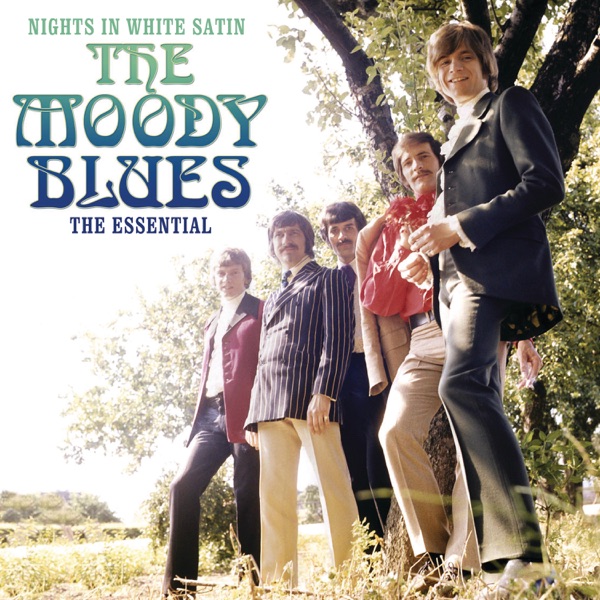

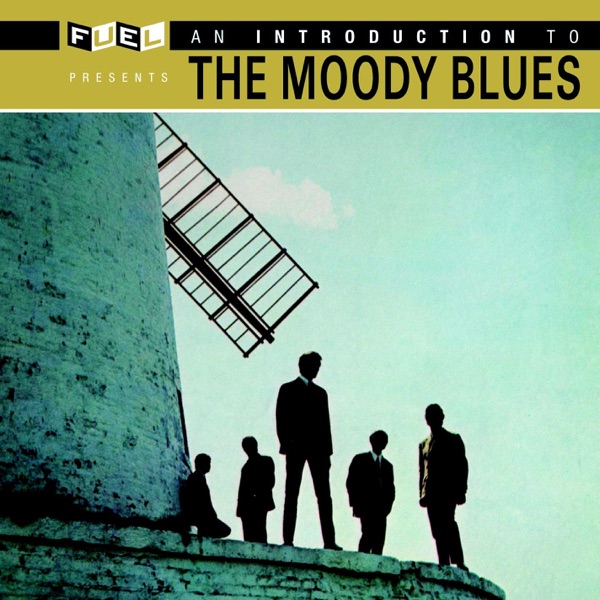


![The Present (Bonus Track Version) [Remastered] album cover](https://is1-ssl.mzstatic.com/image/thumb/Music114/v4/27/77/fd/2777fd3d-9241-1609-0f71-dfea26e2b4bc/00600753127896.rgb.jpg/600x600bb.jpg)


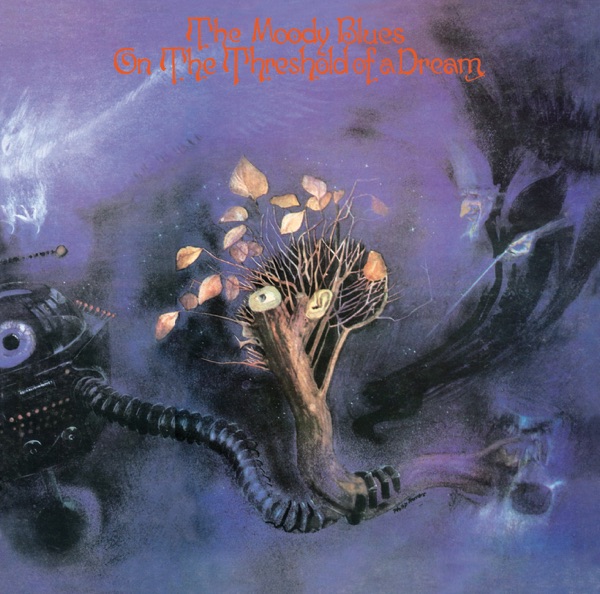


Episodes 2


From the Mosh Pit 4

S6E31: The Moody Blues & "The Other Side of Life" (1986) — Let's Talk About It

New Episode: "Nights or Knights In White Satin? The Moody Blues" - Let's Talk About It
May 4, 1973: The Magnitude of **Led Zeppelin** at the Omni

Prog Rock pioneers The Moody Blues cementent themselves in Rock royalty in the 1970's only to find themselves wondering...