About
London's prog rock titans Yes came together in 1968, built around the complementary talents of vocalist Jon Anderson and bassist Chris Squire. The lineup evolved over the years to include guitarist Steve Howe, keyboardist Rick Wakeman, and drummer Bill Bruford, forming what many consider the definitive classic lineup. Their sound was unlike anything else happening in rock at the time — elaborate, symphonic compositions that stretched song structures to their absolute limits, blending classical influences with jazz improvisation and hard rock energy.
The early-to-mid seventies represent their creative peak, with albums like Fragile, Close to the Edge, and Tales from Topographic Oceans standing as landmarks of progressive rock. These records demanded patience and rewarded it, featuring side-long epics and virtuoso performances that pushed every instrument to the forefront. Roger Dean's iconic artwork became inseparable from the Yes identity, those floating landscapes perfectly matching the music's otherworldly ambition.
Yes proved they could adapt when the prog boom faded, scoring a massive mainstream hit with Owner of a Lonely Heart in 1983 and staying relevant through lineup changes that would sink lesser bands. Their influence runs deep through progressive metal, art rock, and beyond. For fans who want their rock cerebral, adventurous, and technically breathtaking, Yes remains the gold standard.
Discography 3
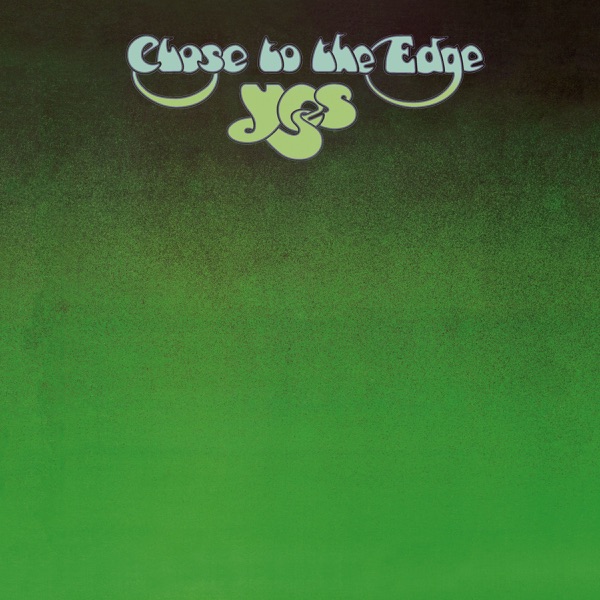

Episodes 12


From the Mosh Pit 30

Deep Cuts Only: **Heart of the Sunrise** — The album's real argument, and it arrives last
Vinnie's Crate Dig: Close to the Edge — the album that demanded a turntable.
New Episode: Yes - Roundabout is 50 - Let's Discuss!

New Episode: The Yes Album Turns 50 - Let's Celebrate!
New Episode: Yes 2015 37-Year Anniversary - Let's Discuss!
Power Ballad of the Month: Love Bites — The Ballad That Broke the #1 Code

Android Release Notes - Alpha - March 4th, 2026

A Brief Introduction From Someone Who Actually Knows What He's Talking About

They Just Built a Lot Today — Jimmy's Walking You Through It
Throwback Thursday: **To Hell With the Devil** Turns 40 — Yes, I Said Stryper, and I Meant Every Word
Power Ballad of the Month: **Sister Christian** — Night Ranger, and I will not be taking questions
Get outta here — Metallica just played the Sphere like it's their backyard
Throwback Thursday: **To Hell With the Devil** Turns 40 — Yes, I Said Stryper, Now Hush

Zoe's Playlist: Festival Openers (First Band Energy)
Deep Cuts Only: **Sabbra Cadabra** — The moment Sabbath proved they could breathe
Throwback Thursday: **Decade of Decadence 81–91** Turns 35 — Alice's Love Letter to the Ultimate Mötley Crüe Moment
Alice vs. Jimmy: Judas Priest? Sure. But Let's Talk About Rob Halford
Throwback Thursday: Use Your Illusion Turns 35 — The Day Rock Refused to Apologize
Anthrax is BACK, and Jimmy needed that
Throwback Thursday: **Decade of Decadence** Turns 35 — Alice's Favorite Band at Their Peak
Friday Blast: New Albums Hit Hard, Iron Maiden's Back On The Road
Power Ballad of the Month: **Heaven** — A Perfect Song
Throwback Thursday: **Come What(ever) May** Turns 20 — Alice Says the Riffs Still Hit
Alice vs. Jimmy: Pink Floyd Changed Music, But Sure, Go Off
This Week in Rock History: The Cavern Club's Last Bow, Floyd's First Bow
Throwback Thursday: **Into the Great Wide Open** Turns 35 — A masterpiece Jimmy would never admit to loving
Zoe's Playlist: Road Trip Rock
July's Coming In Hot — Stones, Purple, And Some Goodbyes
Side by Side: Rainbow Rising vs. Long Live Rock 'n' Roll — Blackmore and Dio at the Peak
A week of goodbyes and heavy new sounds