About
Out of the gritty industrial landscape of Birmingham, England, Black Sabbath emerged in 1968 as a force that would permanently alter the course of rock music. Guitarist Tony Iommi, bassist Geezer Butler, drummer Bill Ward, and vocalist Ozzy Osbourne formed a unit that traded blues-rock convention for something far heavier and more sinister. Iommi's down-tuned, riff-driven guitar work — partly shaped by a factory accident that claimed the tips of two fingers — gave the band a thick, dark sound that nobody had quite heard before.
Their early albums, particularly the self-titled debut and Paranoid, both released in 1970, essentially invented heavy metal as a genre. Songs like Iron Man, War Pigs, and Black Sabbath laid down a blueprint that countless bands have spent decades trying to replicate. The band continued evolving through the 70s and beyond, surviving lineup changes, Ozzy's departure and eventual replacement by Ronnie James Dio, and the inevitable commercial pressures of rock stardom.
The cultural impact of Black Sabbath is genuinely hard to overstate. They influenced everything from doom metal and stoner rock to grunge and beyond. Even artists who'd never claim them as an influence are playing in a world they helped create. Their 2017 farewell tour finally closed the book on one of rock's most essential and enduring stories.
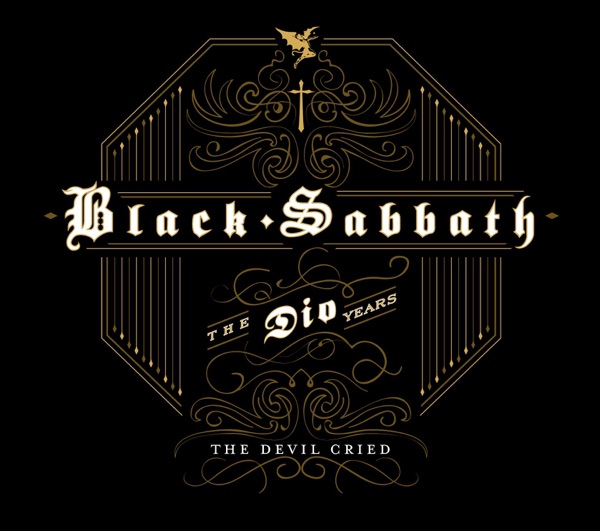
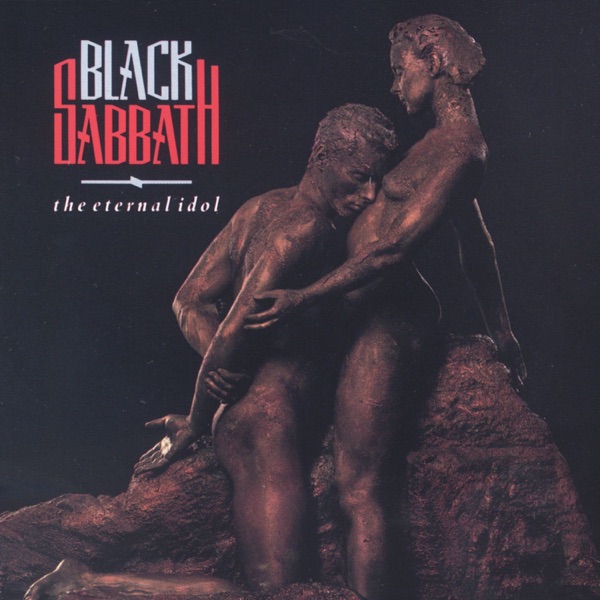
Discography 32





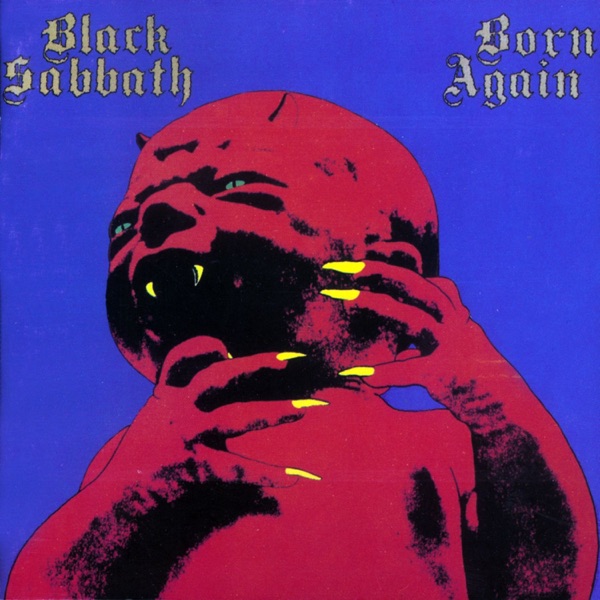

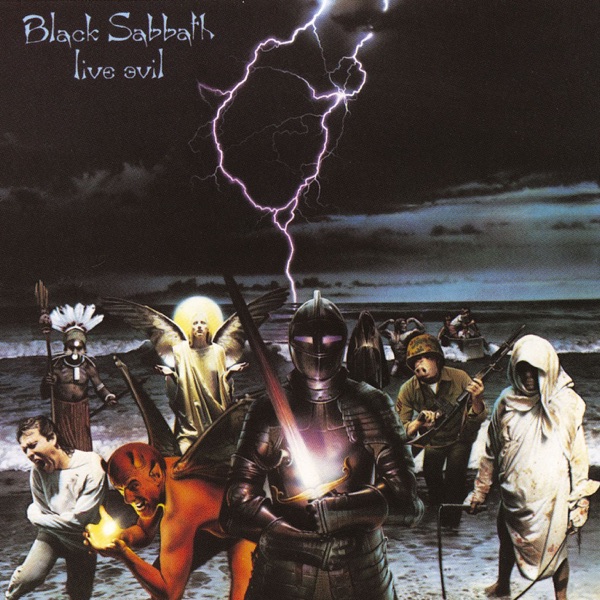
![Mob Rules (Deluxe Edition) [2021 Remaster] album cover](https://is1-ssl.mzstatic.com/image/thumb/Music124/v4/fb/a4/fe/fba4fe63-a2a8-2ac3-f0ca-3558a5f457c4/603497845422.jpg/600x600bb.jpg)


Episodes 7





From the Mosh Pit 30

Side by Side: Black Sabbath Paranoid vs. Master of Reality — Two Doors Into Heavy

Deep Cuts Only: **Sabbra Cadabra** — The moment Sabbath proved they could breathe
Paranoid is the greatest metal album ever — and it ain't even close
Black Sabbath got BETTER when Ozzy left
Side by Side: Heaven and Hell vs. Mob Rules — The Dio Shift Nobody Wants to Admit Was Perfect
Deep Cuts Only: **Behind the Wall of Sleep** — the medley that most people skip right through
Paranoid is the greatest metal album ever made — no debate
Fifty-Five Years of Heavier Ground: Black Sabbath Set the Template This Week in 1971

Alice vs. Jimmy: You're listening to the wrong songs
Sabbath was BETTER with Ronnie than with Ozzy — fight Jimmy
Deep Cuts Only: **A National Acrobat** — The track Sabbath themselves abandoned
Everyone forgot about Paranoid and that's a crime
Sabbath's Paranoid — still the blueprint, don't argue

New Episode: Ozzy and Black Sabbath - Back to the Beginning
New Episode: Ozzy Osbourne and The Rock Hall of Fame 2024 - Let's Talk About It
New Episode: S4E50 Black Sabbath Paranoid 1970 - Let's Talk About This Masterpiece
New Episode: **Black Sabbath - Paranoid** (1970) - Unpacking What Made This Thing Work
New Episode: **Black Sabbath's Heaven & Hell** at 41 — Why This Album Still Holds Up
New Episode: Black Sabbath Debut Turns 51 - Let's Talk About It
New Episode: **Black Sabbath** "**Paranoid**" at 50 — Breaking It Down

A Brief Introduction From Someone Who Actually Knows What He's Talking About
Zoe's Playlist: Festival Openers (First Band Energy)
Nine Albums in Five Days: September 28 – October 4
September 14–20: When The Foundation Was Laid and Lost
Zoe's Playlist: Monday Morning Metal (to survive the week)
This Week in Rock History: July 13–19
Zoe's Playlist: Road Trip Rock
Jimmy's Band Spotlight: Deep Purple — The Underrated Titans
Zoe's Playlist: Songs That Hit Different at 2 AM
Fresh Finds Friday: Jayler, Pothamus, Maruja