About
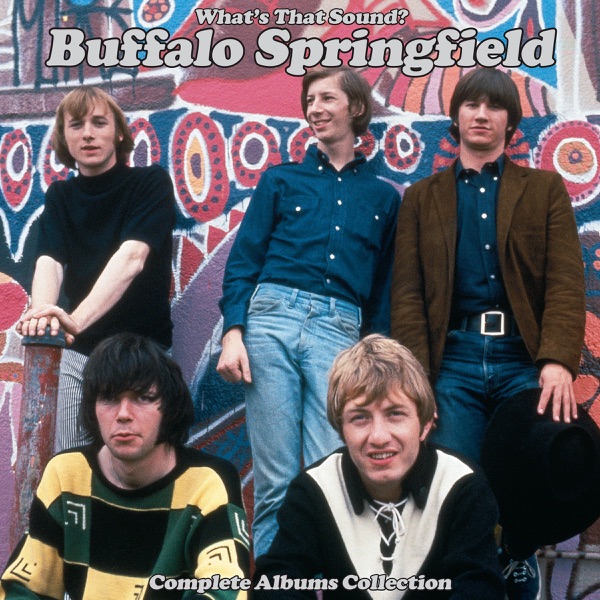
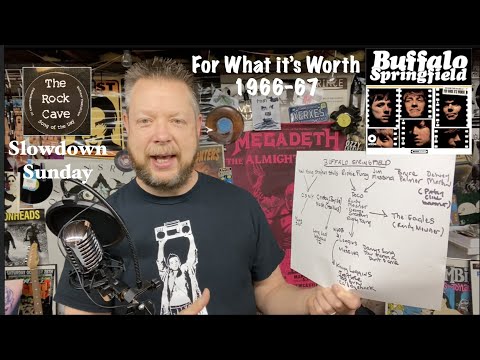
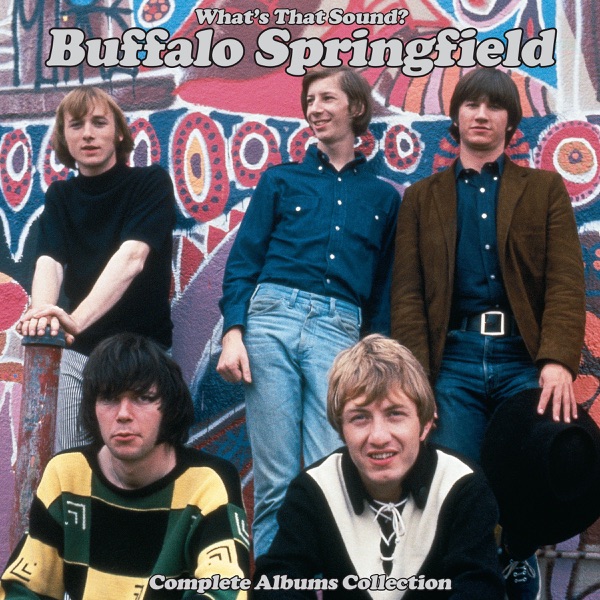
Few bands in rock history managed to pack so much brilliance into such a short run as Buffalo Springfield. Coming together in Los Angeles in 1966, the group united some genuinely staggering talent under one roof: Neil Young and Stephen Stills on guitars, Richie Furay handling rhythm and vocals, with Dewey Martin on drums and Bruce Palmer on bass. The chemistry was immediate, though so was the chaos that would eventually pull them apart after just three years together.
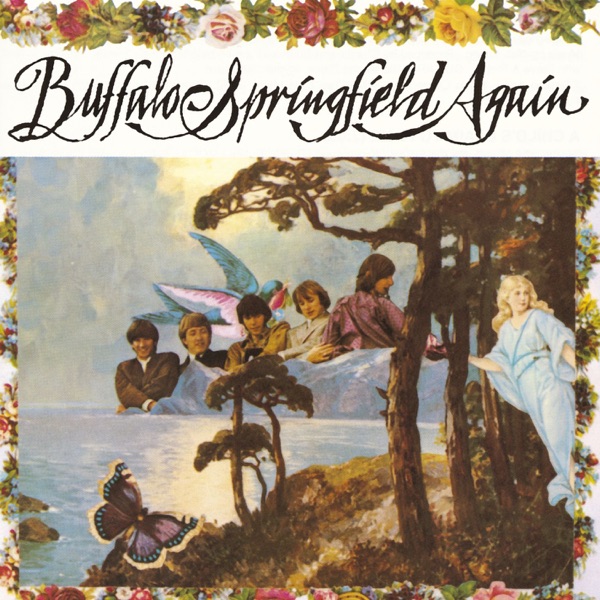
Musically, Buffalo Springfield were ahead of their time, blending folk, country, and rock into something that felt both rootsy and forward-thinking. Their sound anticipated the whole country-rock movement that would explode in the early seventies. Their 1967 debut album introduced the world to the Vietnam-era protest classic 'For What It's Worth,' a song so perfectly crafted it remains one of rock's defining political anthems. Albums like 'Buffalo Springfield Again' showed even deeper artistic ambition, with Young and Stills pushing each other creatively in ways that benefited everyone listening.
Though they only released three studio albums before splintering in 1968, their cultural footprint is enormous. The band essentially served as a launching pad for three of rock's most enduring careers, with Stills and Young both going on to massive solo work and the supergroup Crosby, Stills, Nash and Young. Buffalo Springfield's influence on Americana, folk-rock, and country-rock is still felt today.