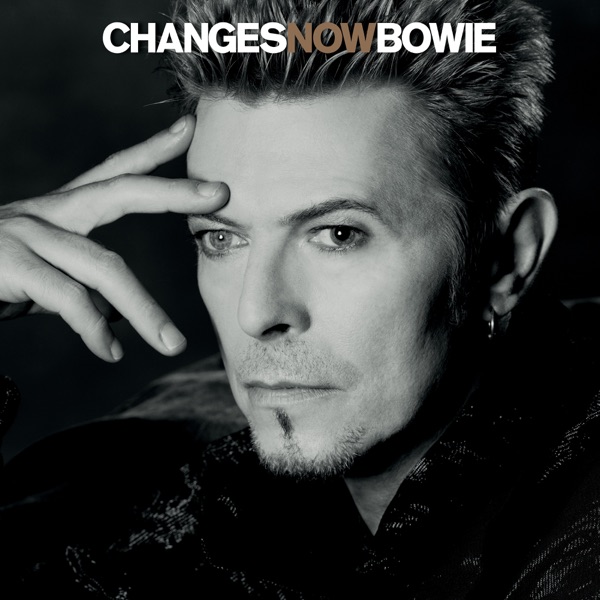
About
David Bowie emerged from the London art scene of the late 1960s as a restless creative force who refused to stay in one place for long. Born David Jones in Brixton in 1947, he cycled through folk, psychedelia, and hard rock before striking gold with the glam rock persona of Ziggy Stardust in 1972. That album, The Rise and Fall of Ziggy Stardust and the Spiders from Mars, announced a singular talent backed by the razor-sharp guitar work of Mick Ronson, one of rock's most underrated players.
What makes Bowie genuinely extraordinary is the sheer range of reinvention he pulled off without ever losing his identity. The Berlin Trilogy with Brian Eno, particularly Low and Heroes, pushed rock into experimental, ambient territory years before anyone else was thinking that way. Scary Monsters, Let's Dance, and later Blackstar all showed an artist who kept evolving rather than coasting on legacy. He absorbed funk, soul, electronic, and art rock and made it all feel cohesive.
Culturally, Bowie's impact is almost impossible to overstate. His fluid approach to gender, sexuality, and identity cracked open mainstream rock culture in ways that still resonate. He influenced everyone from Prince to Radiohead to Lady Gaga, and his 2016 farewell album Blackstar, released just days before his death, stands as one of the most remarkable final statements any artist has ever made.
Discography 44

![Loving the Alien (1983-1988) [Remastered] album cover](https://is1-ssl.mzstatic.com/image/thumb/Music118/v4/a0/31/df/a031dfa8-2fe3-5c7c-97ce-c3da02b10510/190295693428.jpg/600x600bb.jpg)




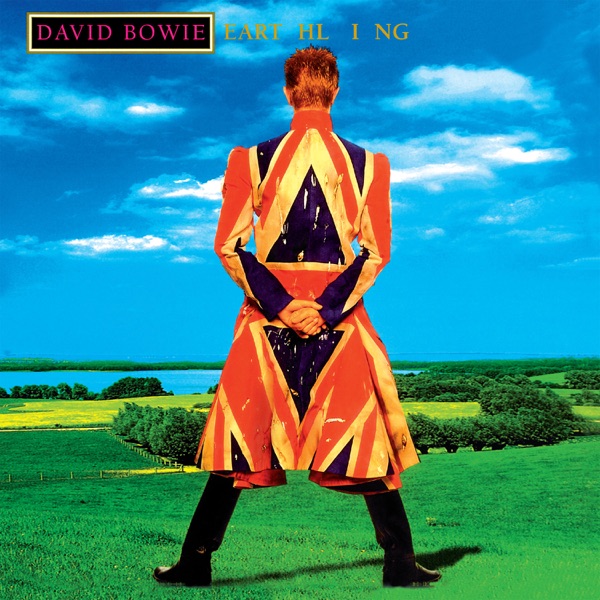
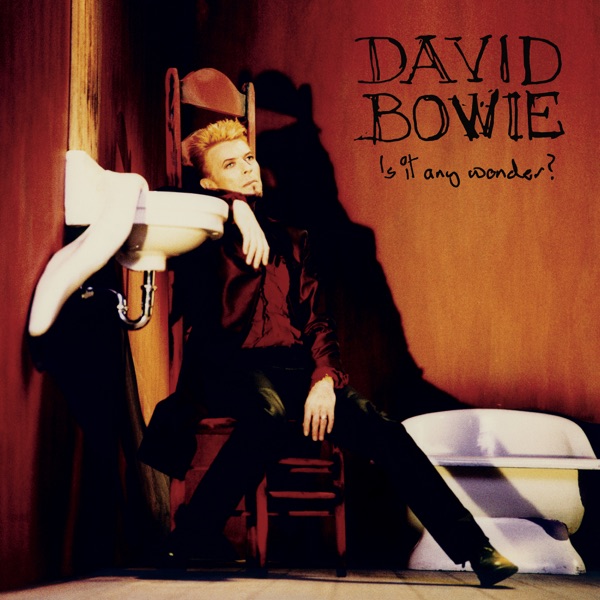

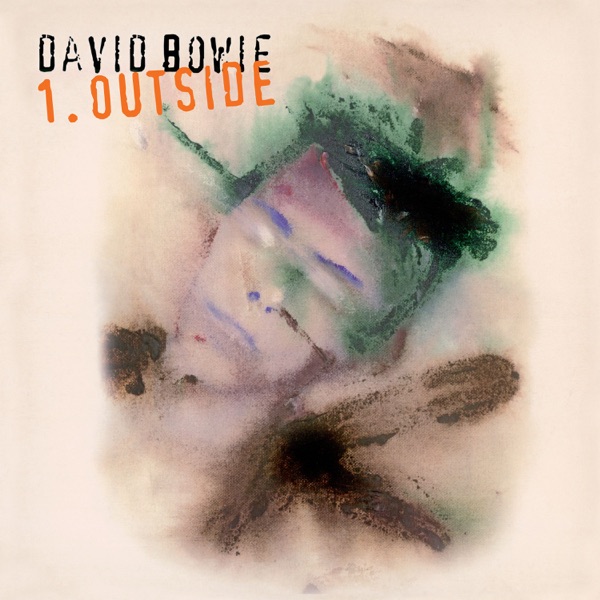
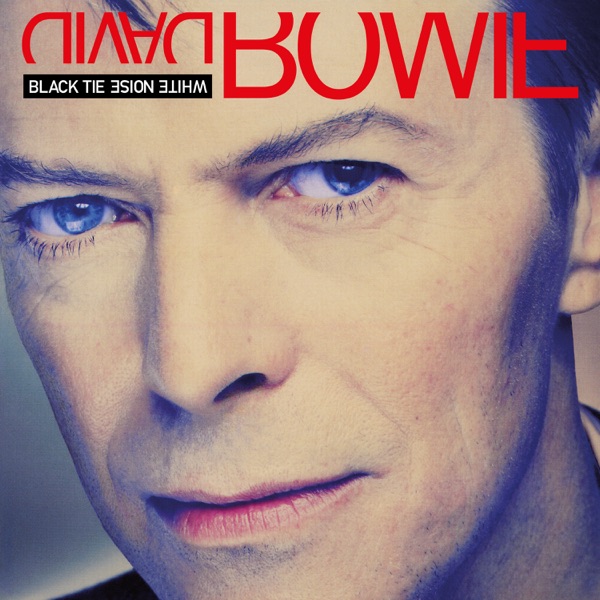


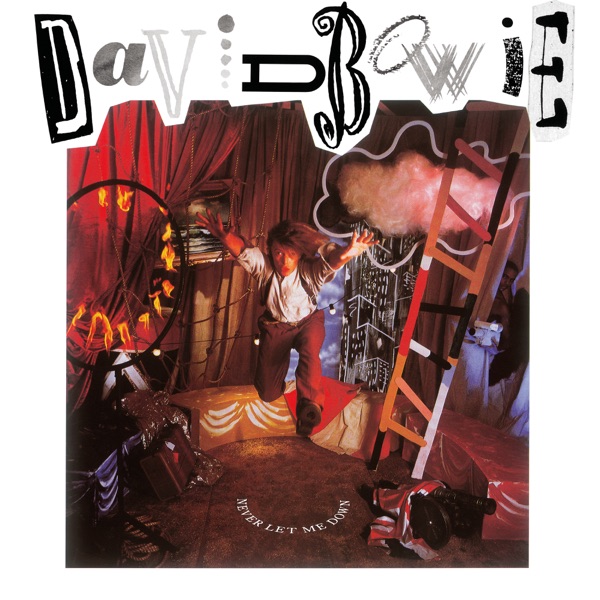
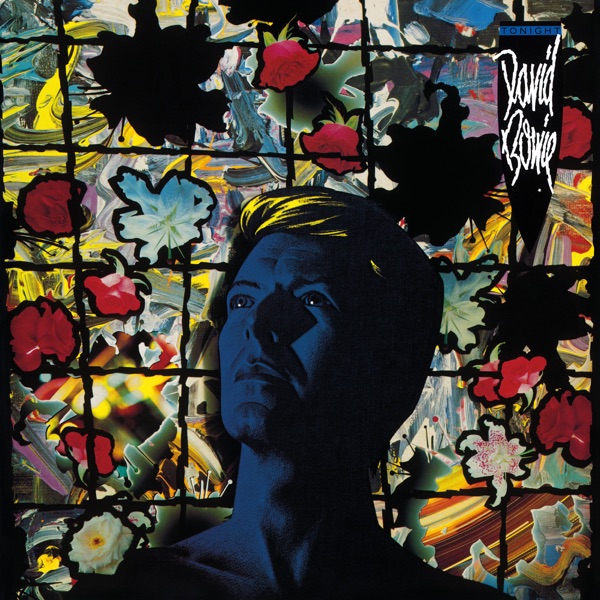
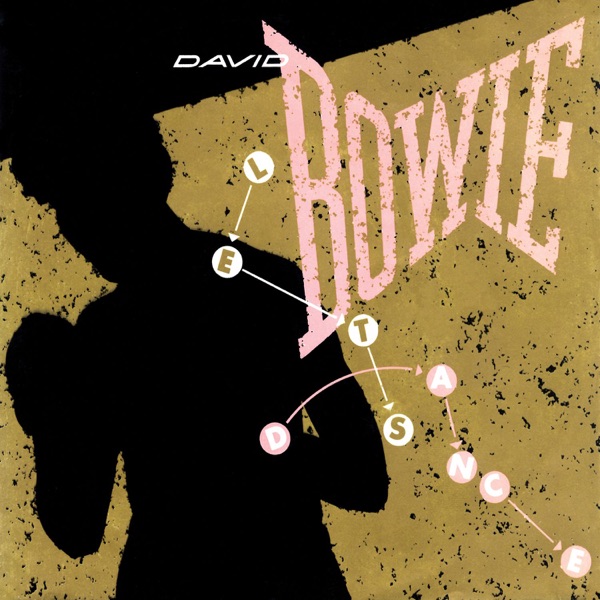


![Scary Monsters (And Super Creeps) [2017 Remaster] album cover](https://is1-ssl.mzstatic.com/image/thumb/Music124/v4/71/fe/14/71fe14df-5d77-9d69-2968-c38b6bfa82a4/190295842598.jpg/600x600bb.jpg)

![Stage (Live) [2017 Remaster] album cover](https://is1-ssl.mzstatic.com/image/thumb/Music118/v4/a5/1f/36/a51f36e0-e2c4-c022-cf06-4bb003ef7a1a/190295842765.jpg/600x600bb.jpg)
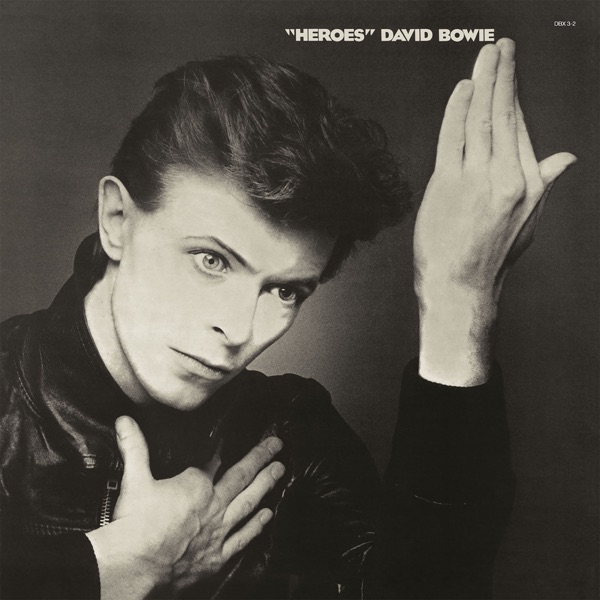
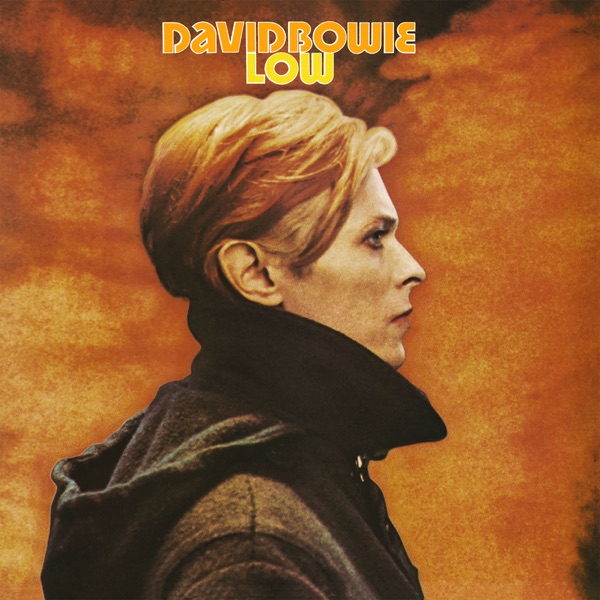
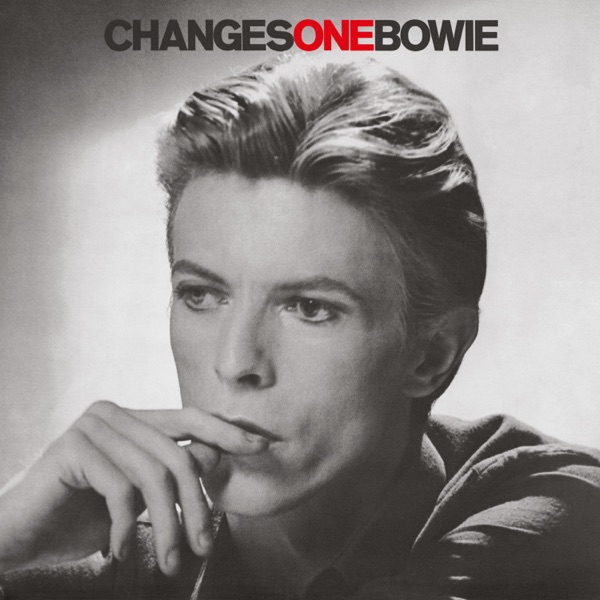

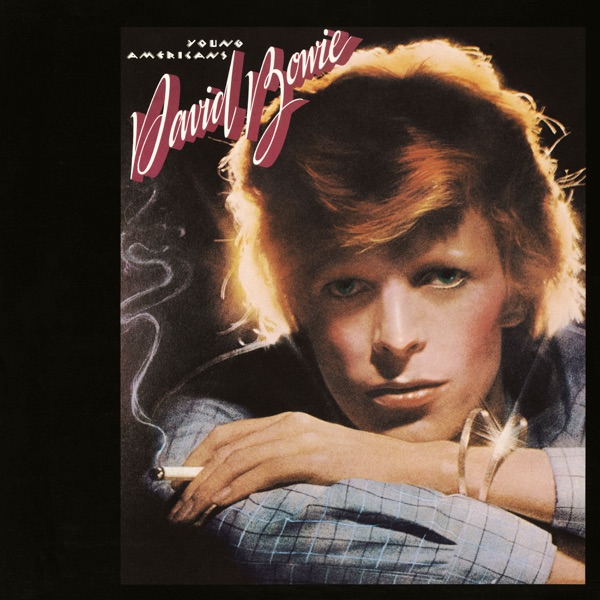
![David Live (2005 Mix) [Remastered Version] album cover](https://is1-ssl.mzstatic.com/image/thumb/Music122/v4/0f/41/7b/0f417bb1-f264-e775-034a-b493e879bbae/190295990176.jpg/600x600bb.jpg)
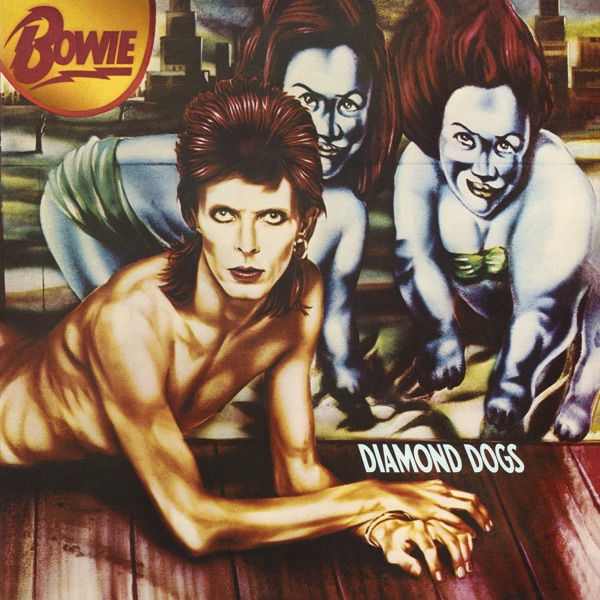
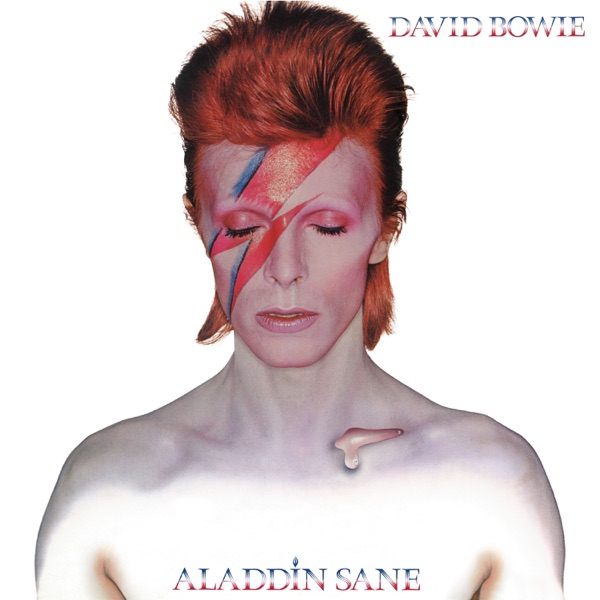

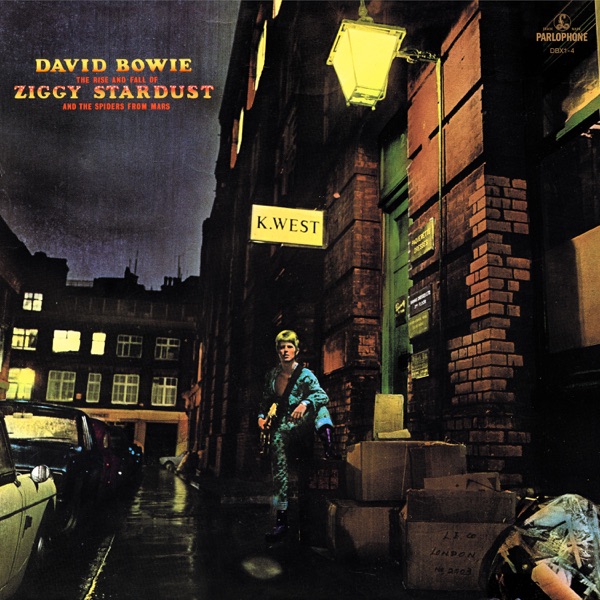
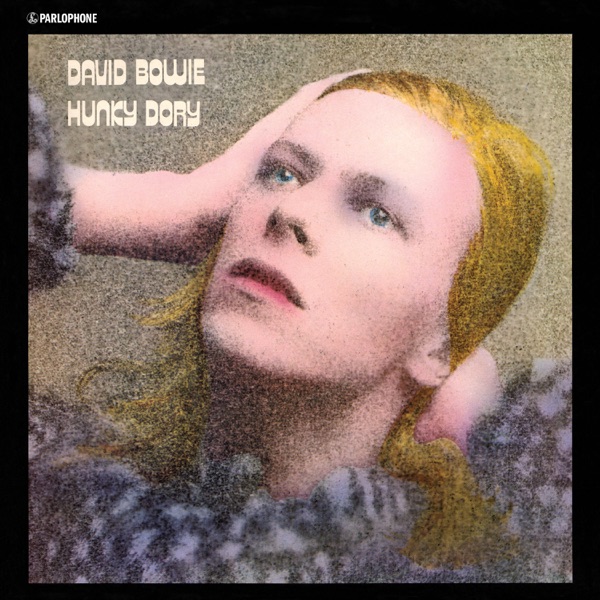
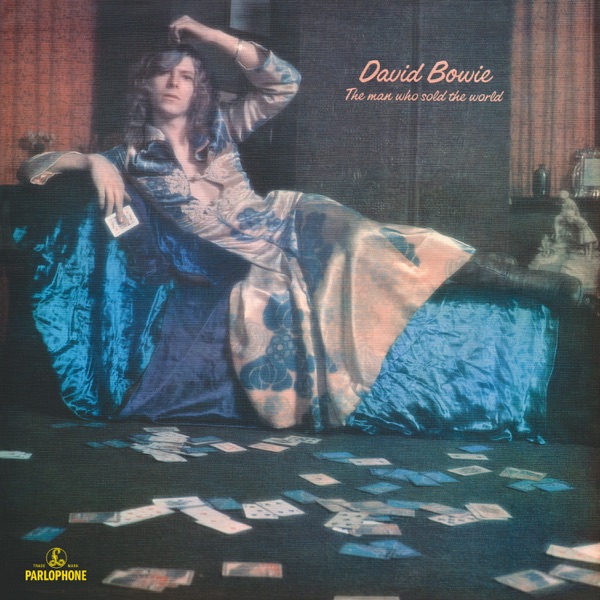
![David Bowie (aka Space Oddity) [2015 Remaster] album cover](https://is1-ssl.mzstatic.com/image/thumb/Music125/v4/29/ef/55/29ef556e-ef70-9c6a-a36f-07eab04d453d/825646286102.jpg/600x600bb.jpg)
Episodes 5


From the Mosh Pit 18

**David Bowie** Walked Into Trident Studios This Week, 1971—And Changed Everything

S5E58: David Bowie's "Suffragette City" 1972 - Let's Talk About It

New Episode: David Bowie — Remembering What He Left Behind
New Episode: Ziggy Stardust is 50 - Let's Talk About This Masterpiece!

New Episode: "Bowie Space Oddity 1969" - Let's Talk About It!
Episode Discussion: "Cat People by David Bowie" - What's Your Take?
Heroes at Forty-Nine, Mystery to Me at Fifty-Three: Two Quiet Turns This Week
September 21–27: The Week Nirvana Changed Everything
Zoe's Playlist: Songs Your Parents Would Actually Like
June 8-10: When Rock's Biggest Names All Showed Up on the Same Three Days
When **Marvin Gaye** Went Political on This Week 55 Years Ago
New Episode: S6E65 Artemis II Songs - Let's Talk About It
Rick Wakeman Back on Stage After Brain Surgery — That's Facts

David Bowie dropped The Rise and Fall of Ziggy Stardust and the Spiders from Mars in 1972.
New Episode: Tom Tom Club's "Genius of Love" - Let's Talk About This Masterpiece!
New Episode: Breakfast Club 2-15-86 - Let's Talk About This Classic!
Franz Ferdinand on Wanderlust Wednesday - Let's Talk
New Episode: S1 E52 US Festival - Breaking Down a Historic Moment