About
Out of the grey industrial sprawl of late-1970s Manchester came one of rock's most haunting and influential bands. Joy Division crystallized around vocalist Ian Curtis, guitarist Bernard Sumner, bassist Peter Hook, and drummer Stephen Morris, growing out of an earlier outfit called Warsaw. Their sound was unlike anything else happening at the time — cold, cavernous post-punk driven by Hook's melodic bass lines, Sumner's jagged guitar textures, and Curtis's deep, anguished baritone. It was music that felt like staring into an abyss.
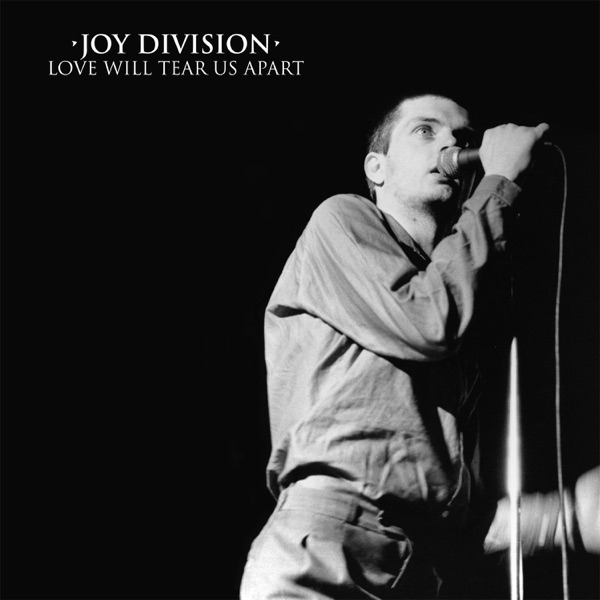
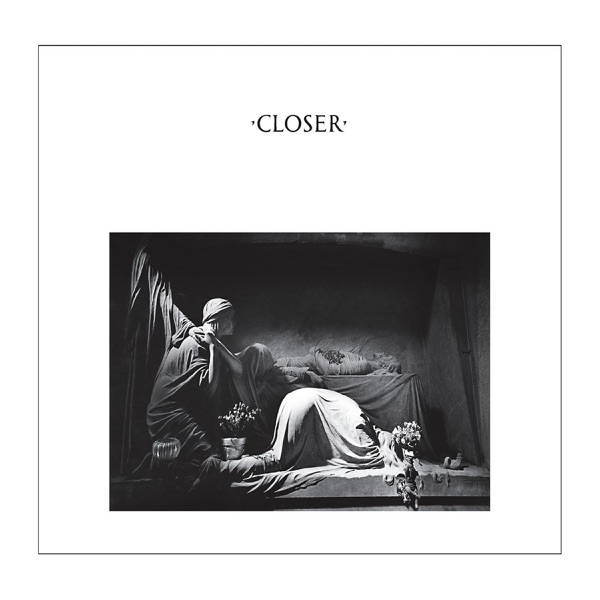
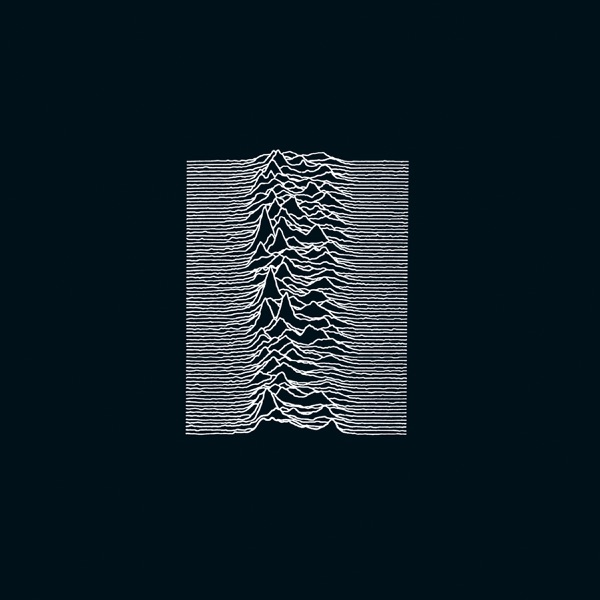
Their two studio albums remain stone-cold classics. Unknown Pleasures (1979) introduced the world to their stark, atmospheric sound, while Closer (1980) pushed even deeper into darkness and tension. Both were produced by Martin Hannett, whose unconventional studio techniques gave the records their eerie, spacious quality. The standalone single Love Will Tear Us Apart became one of the most recognizable songs in rock history, a devastating meditation on emotional breakdown.
The band's story ended tragically when Curtis, who had been battling epilepsy and depression, died by suicide in May 1980 on the eve of their first North American tour. The remaining members regrouped as New Order and went on to massive success, but Joy Division's legacy stands completely on its own. Their influence echoes through decades of alternative, gothic, and post-punk music, and their catalog still hits with the same raw force it did over forty years ago.
Discography 13





Episodes 1

From the Mosh Pit 5

New Episode: Joy Division "Love Will Tear Us Apart" - Let's Dig In

The Week Rock Got Heavier and More Human
New Episode: The British Invasion of 1982 Odds and Sods - Let's Talk About It
New Episode: Blue Monday at 40 - The Synth That Changed Everything
New Episode: Echo & The Bunnymen - Let's Dig Into It