About
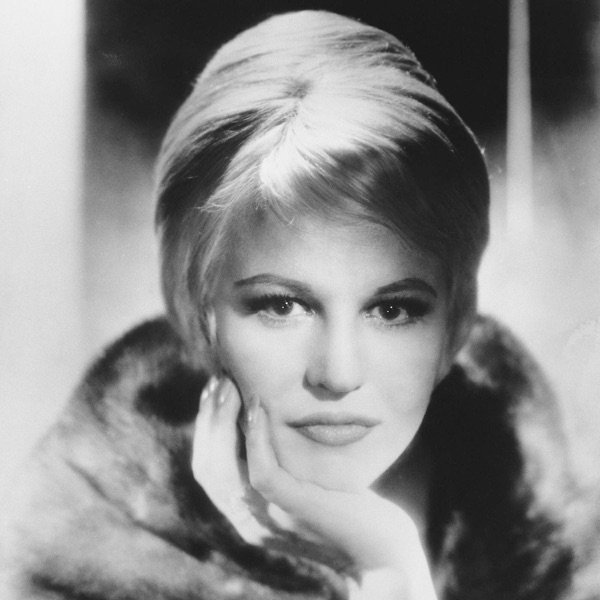
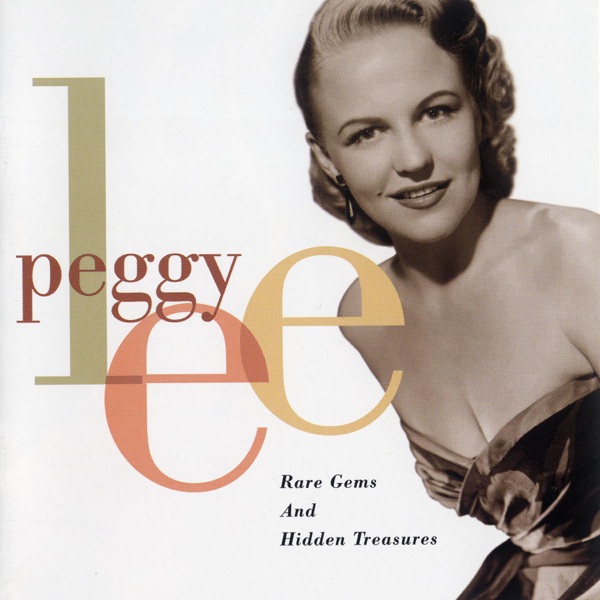
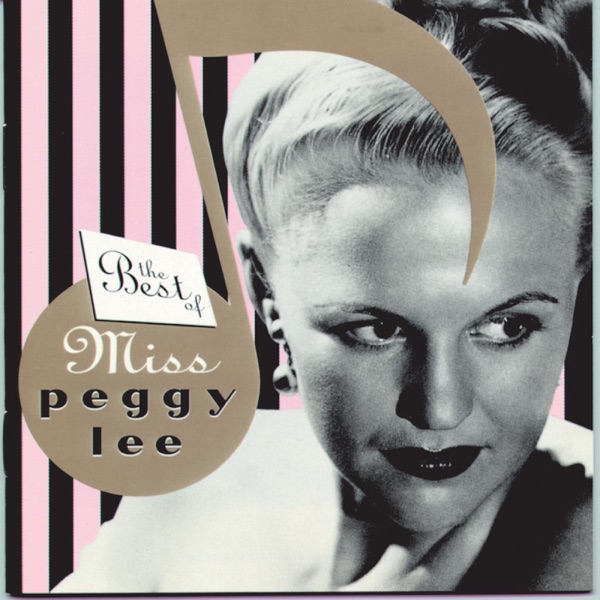
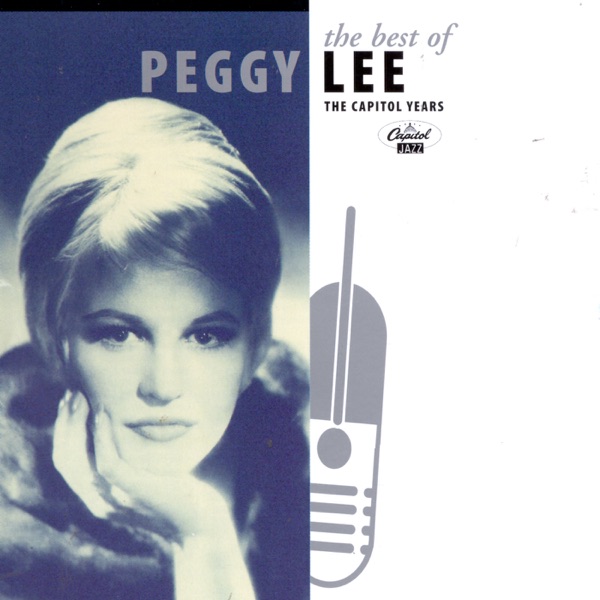
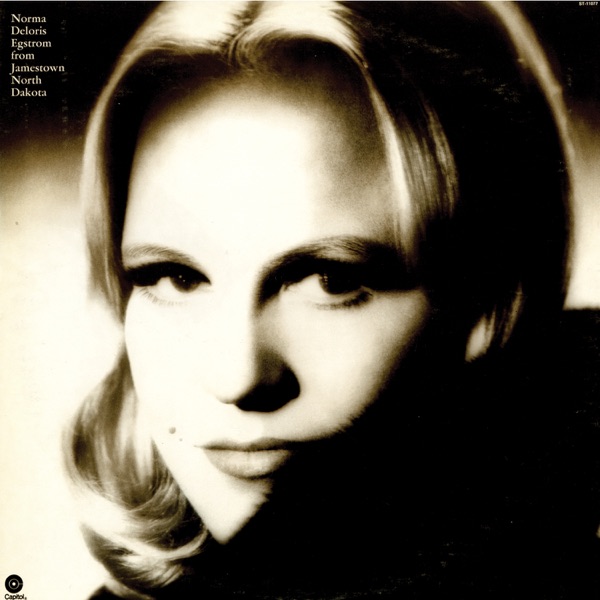
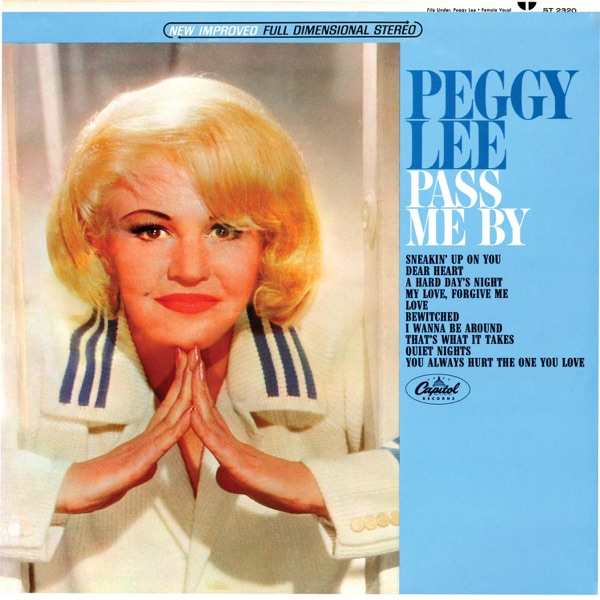
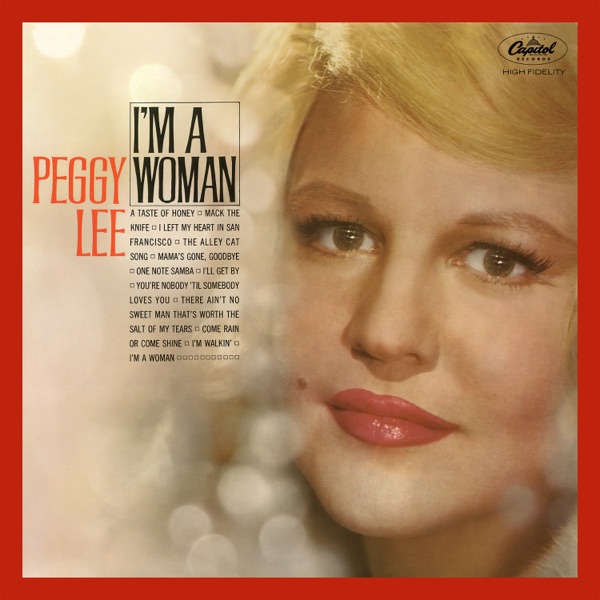
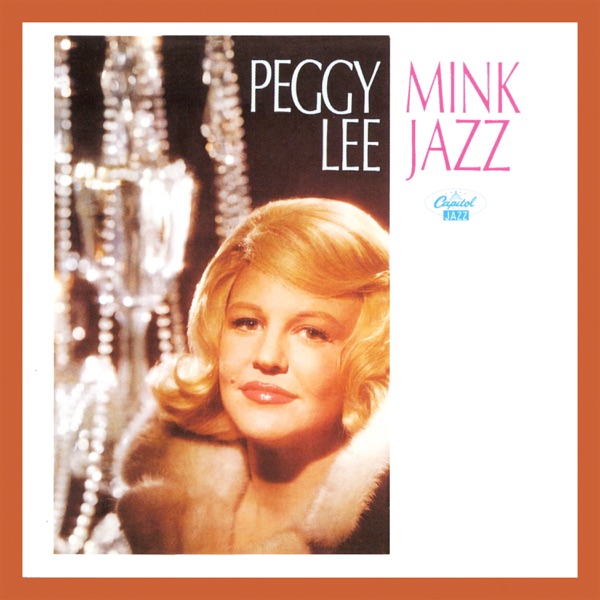
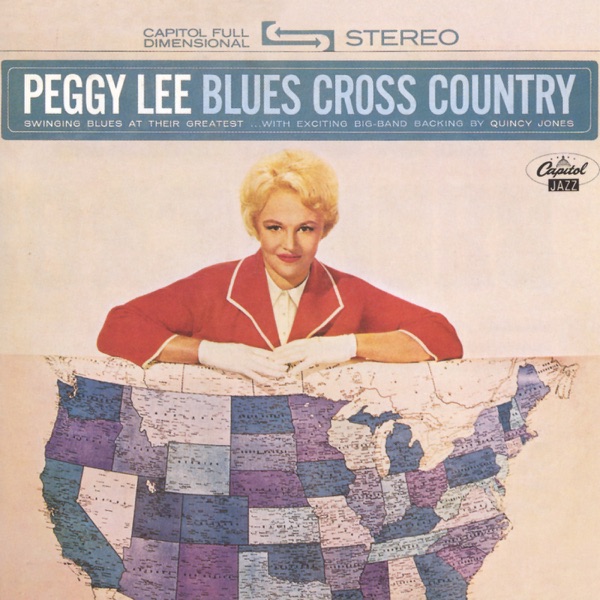
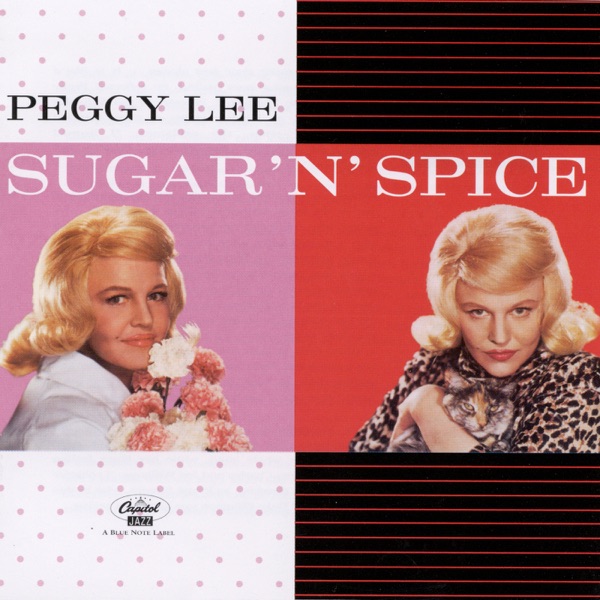
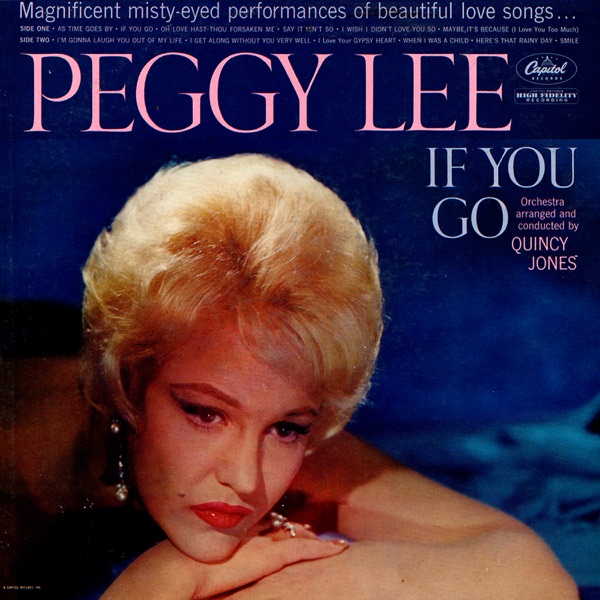
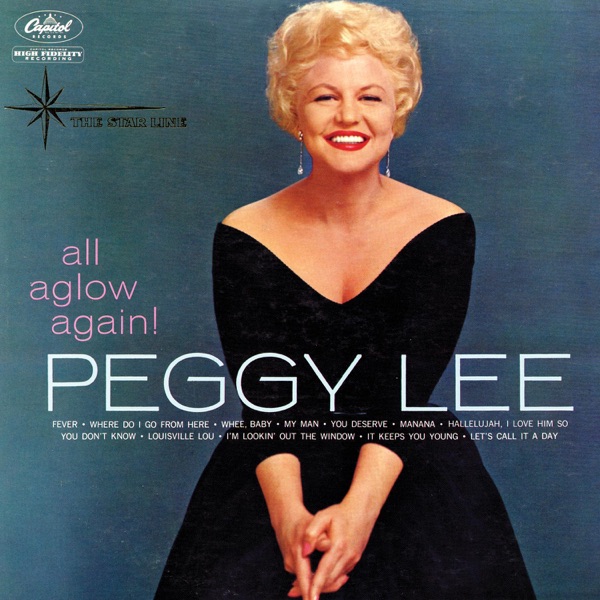
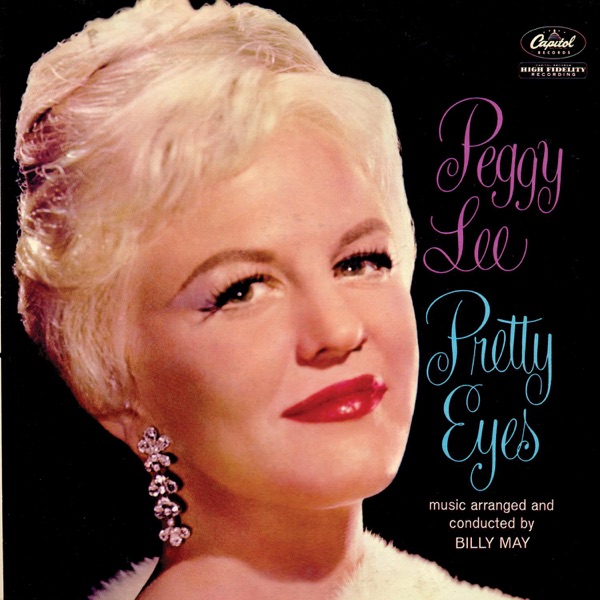
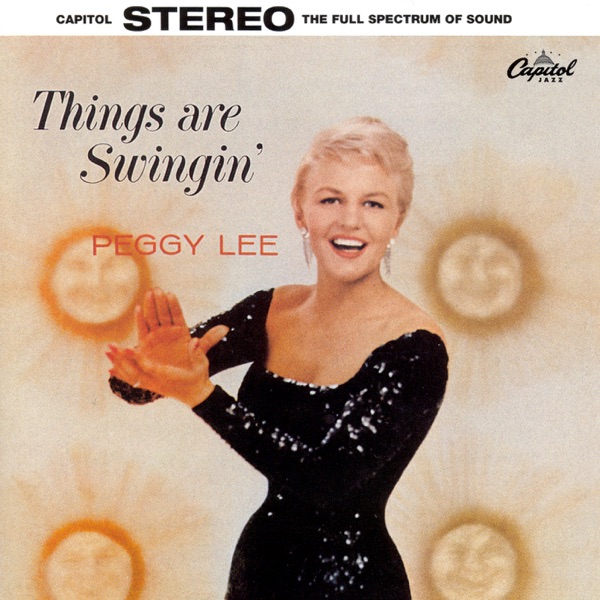
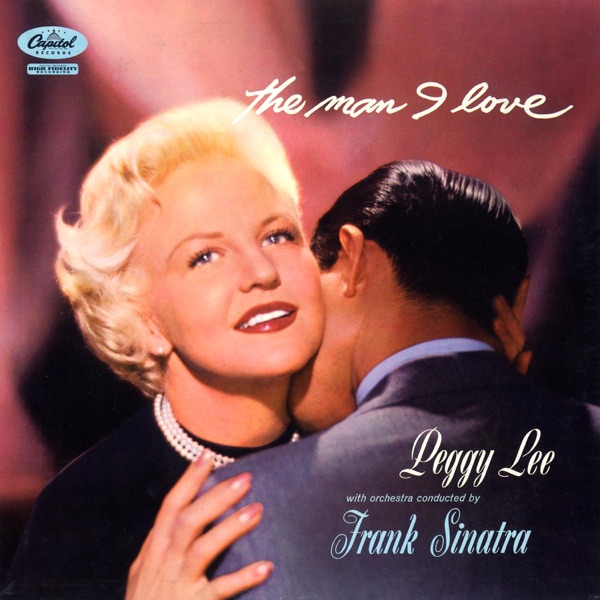
Born Norma Deloris Egstrom in 1920 in Jamestown, North Dakota, Peggy Lee carved out one of the most distinctive voices in American popular music long before rock and roll rewrote the rulebook. She cut her teeth singing with Benny Goodman's band in the early 1940s, which is where she honed that cool, understated delivery that would become her signature. She wasn't shouting for attention — she didn't need to. That controlled, almost hypnotic style made her stand out from the crowd in ways that plenty of rock vocalists would later try to replicate without quite matching.
Her 1958 recording of 'Fever' is the track that even rock fans tend to know, a stripped-back, percussion-driven slow burn that feels as raw and intimate today as it ever did. Albums like 'Black Coffee' showcase her smoky jazz sensibility, while her songwriting on 'It's a Good Day' proved she wasn't just an interpreter. Her influence quietly seeped into rock and pop DNA — artists from Bette Midler to Elvis Costello have cited her command of phrasing and dynamics. If you appreciate vocalists who do more with less, Peggy Lee is essential listening.