About
Out of the ashes of Smile, a promising London prog outfit, Queen emerged in 1971 when vocalist Freddie Mercury joined guitarist Brian May and drummer Roger Taylor, later completed by bassist John Deacon. What they built together over the next two decades remains one of rock's most staggering bodies of work. Mercury's flamboyant, four-octave voice became the band's defining force, but make no mistake — May's layered guitar orchestrations, Deacon's melodic basslines, and Taylor's powerhouse drumming were equally essential to the sound.
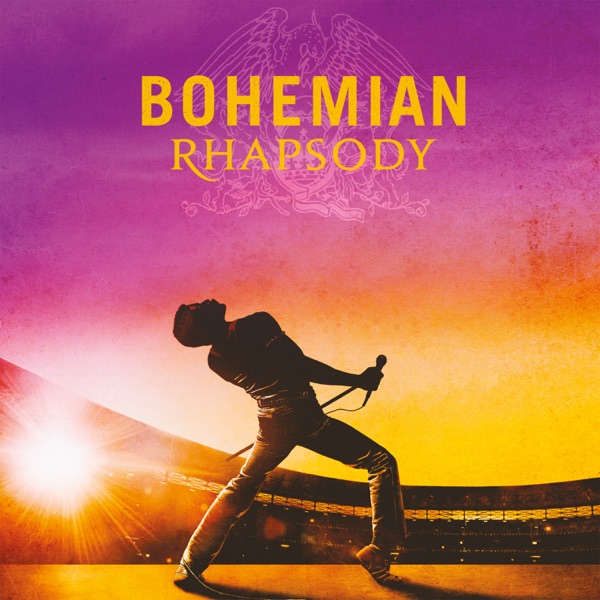
Musically, Queen refused to be boxed in. They could deliver hard-rocking bombast on Sheer Heart Attack, operatic madness on A Night at the Opera, arena anthems on News of the World, and slick pop on The Game, all while maintaining an unmistakable identity. Bohemian Rhapsody wasn't just a song — it was a statement that rock could be anything it wanted to be.
Their cultural footprint is enormous. The 1985 Live Aid performance at Wembley is still widely considered the greatest live set in rock history, a masterclass in crowd control and showmanship. Mercury's death in 1991 hit the rock world hard, but Queen's catalog has only grown in stature since. Decades on, new generations keep discovering them, which says everything.
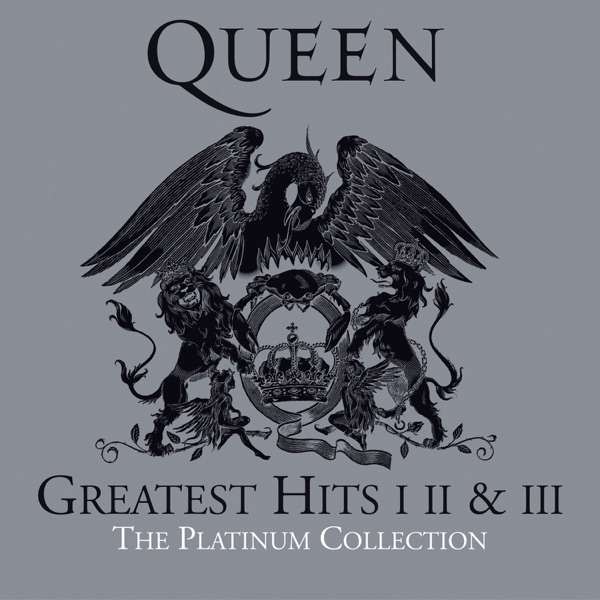
Discography 4


Episodes 15




From the Mosh Pit 30
S5E43: Freddie Mercury's 78th Birthday - Rock Royalty Discussion
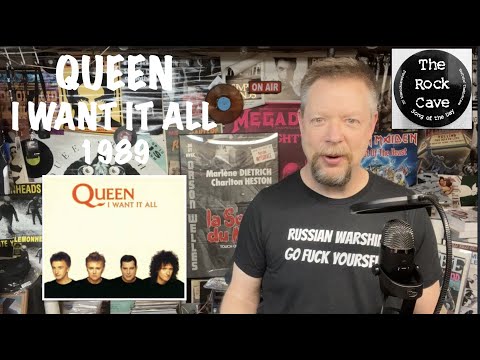
New Episode: S4E6 Queen "I Want It All" 1989 - Let's Discuss!
New Episode: "I Want to Break Free" by Queen (1984) - Let's Talk About This One!

Episode Discussion: Queen's "Killer Queen" Breaks the US Charts in 1975
New Episode: Queen We Will Rock You - We Are The Champions '10:77' - Let's Talk About It
New Episode: Queen - A Night At The Opera Discussion!

Zoe's Playlist: Songs Your Parents Would Actually Like
September 2026 Concert Tours
August 24-30: When Queens Got Their Masterpiece, Hendrix Owned His Studio, and Seattle Changed Rock
This Week's Heavy Hitters Got Jimmy's Full Attention
Side by Side: Operation: Mindcrime vs. Empire — Concept Masterpiece or Commercial Peak?
Rush back in Toronto and Foo Fighters running a marathon at Soldier Field
August 2026 Concert Tours
This Week Hit Different — Mastodon's New Era, L7's Loss, and Metal's Moving Forward
Mastodon's Back, Iron Maiden Just Laughed at the Rock Hall
This Week in Rock History: July 13–19
Zoe's Playlist: Road Trip Rock
**David Bowie** Walked Into Trident Studios This Week, 1971—And Changed Everything
Four Days, Four Moments: **Neil Peart**, **Queen**, and the Week that Shaped Rock
Three Legends, One Day: June 22 Gave Rock Two Albums That Still Matter
Zoe's Playlist: Songs That Hit Different at 2 AM
June Week: When **Lennon** Went Solo in Montreal, and Rock Lost a True Originator
This Week in Rock History: The Prog Rock Watershed and the Architects of Chaos
Throwback Thursday: **Gish** Turns 35 — When the Pumpkins Met the Pressure
Zoe's Playlist: Songs to Belt in the Shower
The Week **Queen** Signed, **The Clash** Started, and **Tool** Changed Everything
BABYMETAL Brings The Fox God Down Under — Doki Doki Morning Returns

Freddie Mercury would have been 78 years old yesterday.
Queen sold their catalog last week for $1.27 BILLION. Song of the day.
New Episode: Heart's "Barracuda" (1977) - Let's Talk About It