About
Few voices in rock history carry the weight and mystique of Robert Plant's. Born in West Bromwich, England in 1948, Plant first made his mark as the golden-throated frontman of Led Zeppelin, arguably the greatest hard rock band ever assembled. Alongside Jimmy Page, John Paul Jones, and John Bonham, Plant helped forge the blueprint for heavy rock in the late 1960s and 1970s, delivering spine-tingling performances on landmark albums like Led Zeppelin IV, Physical Graffiti, and Houses of the Holy. His wailing banshee highs and earthy blues lows gave tracks like Whole Lotta Love and Kashmir an almost supernatural intensity.
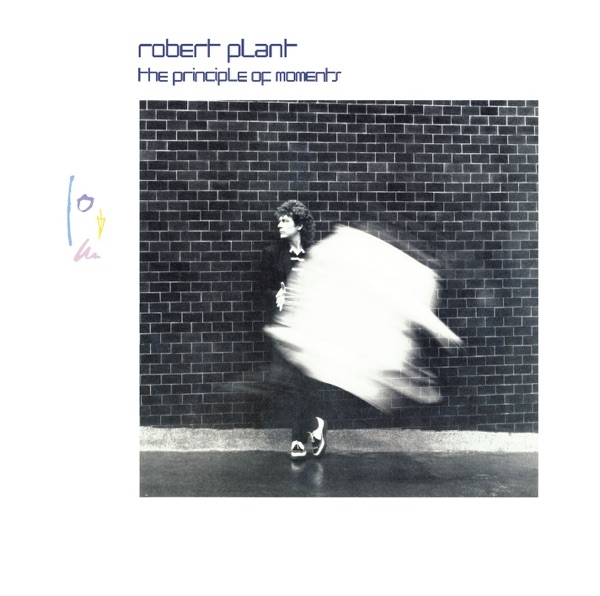
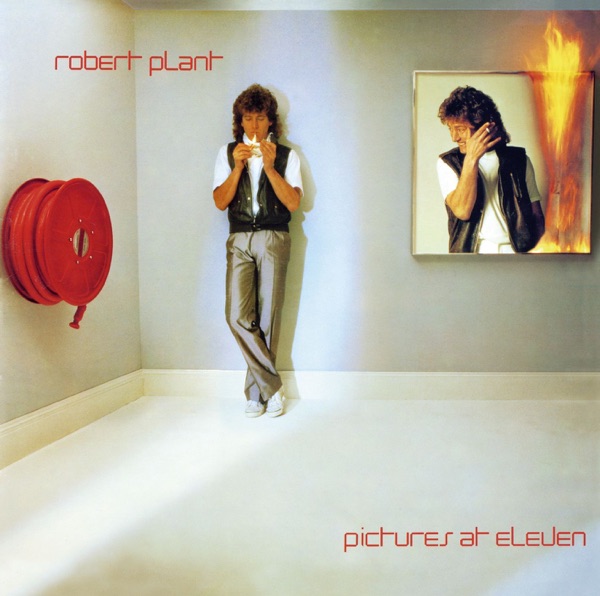
After Zeppelin dissolved following Bonham's death in 1980, Plant launched a solo career that proved he was far more than just a rock god figurehead. Albums like Pictures at Eleven and The Principle of Moments showed a willingness to embrace synth-driven sounds without abandoning his blues roots. Later collaborations, particularly with bluegrass artist Alison Krauss on Raising Sand, earned him new audiences and Grammy recognition. Plant's cultural impact stretches beyond music, having helped define rock's mythological, larger-than-life persona and influencing generations of vocalists from Axl Rose to Chris Cornell. He remains one of rock's most restless and genuinely adventurous spirits.
Discography 12



![Dreamland (Bonus Tracks) [Remastered] album cover](https://is1-ssl.mzstatic.com/image/thumb/Music/43/41/02/mzi.vcfwvurt.jpg/600x600bb.jpg)

Episodes 5



From the Mosh Pit 15
New Episode: Robert Plant "Little By Little" (1985) - Let's Talk Solo Plant!
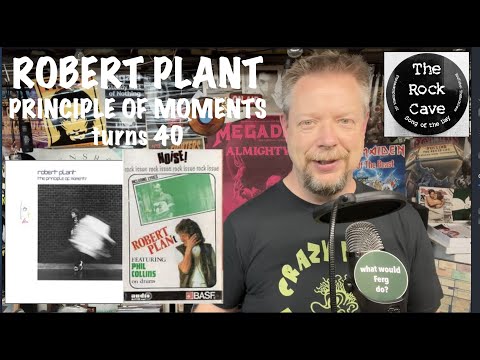
New Episode: Robert Plant's "Principle of Moments" at 40 - Let's Talk About It!
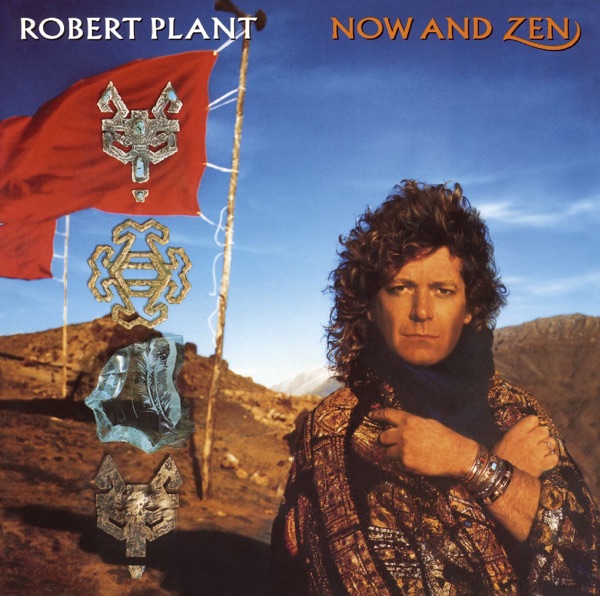
New Episode: Robert Plant Now and Zen Feb 1988 - Let's Discuss!
New Episode: Robert Plant SOTD - Let's Talk About The Man
Deep Cuts Only: **The Wanton Song** — where silence is the weapon
September 7, 1968: The Night Led Zeppelin Became Led Zeppelin
Deep Cuts Only: **No Quarter** — The keyboard showcase they never dropped from the setlist

S6E69 Phil Collins is part of The Rock & Roll Hall of Fame class of 2026.

Zoe's Playlist: Songs to Belt in the Shower
S6E44 Robert Plant dominated the 1970's with his unbelievable vocals and stage presence as the front man for Led...
New Episode: Led Zeppelin Robbed MSG 1973 - Let's Discuss!
New Episode: Led Zeppelin Heartbreaker Living Loving Maid 1969 - Let's Talk!
S3E25: Box of Frogs, Honeydrippers, and Willie and the Poor Boys - When Side Projects Actually Work
New Episode: Robert Plant at 73 - Still Got It
New Episode: **Holy Diver** (1983) - Why Dio and Sabbath Got It Right