About
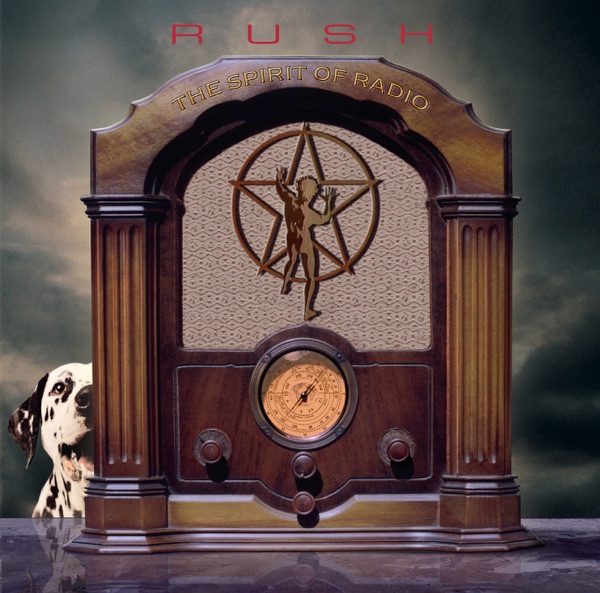
Out of Toronto in the early 1970s, Rush built one of the most devoted followings in rock history through sheer musicianship and an unwillingness to play it safe. The classic trio of Geddy Lee on bass and vocals, Alex Lifeson on guitar, and Neil Peart on drums formed a unit so tight and technically accomplished that they consistently made three instruments sound like a full band. Peart, who joined in 1974, also became the band's primary lyricist, bringing a cerebral depth to their work that set them apart from most of their peers.
Musically, Rush refused to stay in one lane. Their 1976 epic 2112 cemented their prog rock credentials with its dystopian concept suite, while Moving Pictures in 1981 showed they could write tight, hook-driven rock without sacrificing complexity. Tom Sawyer alone became a cultural touchstone for generations of rock fans and musicians alike. They later embraced synthesizers through the mid-80s before returning to a heavier sound in the 90s.
Few bands can claim the cross-generational reverence Rush commands. Inducted into the Rock and Roll Hall of Fame in 2013 after years of baffling omission, they remain a masterclass in what a power trio can achieve. For musicians especially, Rush isn't just a band — they're a benchmark.
Discography 9


Episodes 5




From the Mosh Pit 30

Rush back in Toronto and Foo Fighters running a marathon at Soldier Field
Rush Fifty Something: The Comeback Nobody Thought Could Happen
Side by Side: Moving Pictures vs. 2112 — Which Rush Masterpiece Wins
Rush Actually Pulled Off the Impossible
RUSH is BACK and it's everything rock needed right now
This week is absolutely insane — Rush is REALLY coming back

S6E54: Rush's Moving Pictures at 45 - A Masterpiece That Defined an Era

New Episode: Rush's Fly By Night Turns 50 - What Does It Mean To You?
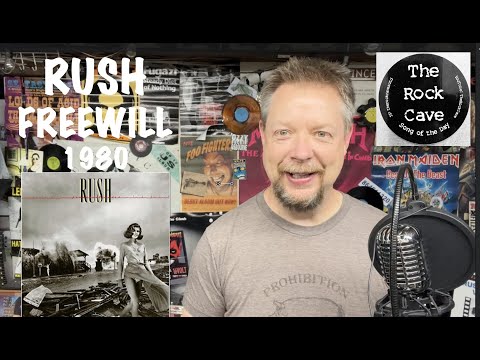
New Episode: "Freewill" by Rush — Let's Break Down One of Their Most Misunderstood Songs
New Episode: RUSH - A Farewell to Kings 1977 - Let's Talk About This One
New Episode: Geddy & Rush's Fly By Night - Let's Talk About It
Jimmy's Been Paying Attention — Big Week in Rock (March 2026)

A Brief Introduction From Someone Who Actually Knows What He's Talking About
Cronos is gone and Iommi's back. Jimmy's got a lot to say this week.
Led Zeppelin II Turns 57 This Week, Recorded in Pieces on Tour
Power Ballad of the Month: **Sister Christian** — Night Ranger, and I will not be taking questions

Zoe's Playlist: Festival Openers (First Band Energy)
Deep Cuts Only: **Sabbra Cadabra** — The moment Sabbath proved they could breathe
The Week **The Beatles** Started and **Led Zeppelin** Ended
Fresh Finds Friday: Wisp, The Haunt, Kuro
Anthrax is BACK, and Jimmy needed that
September 7, 1968: The Night Led Zeppelin Became Led Zeppelin
Rock's Having One of THOSE Weeks and Jimmy Ain't Complaining
Friday Blast: New Albums Hit Hard, Iron Maiden's Back On The Road
Fresh Finds Friday: AEMIA, CLKWRK, Nevertel
Jimmy's Gear Corner: Mesa/Boogie Triple Rectifier — The Recto That Started It All
Reunion Madness Is Here and Jimmy's Not Mad About It
Throwback Thursday: **Night Songs** Turns 40 — Alice remembers the debut that changed everything
Four Days, Four Moments: **Neil Peart**, **Queen**, and the Week that Shaped Rock
This Week's Metal Got Heavy — Brand New Back, Behemoth Dropping Fire, Accept Goes All-Star