About
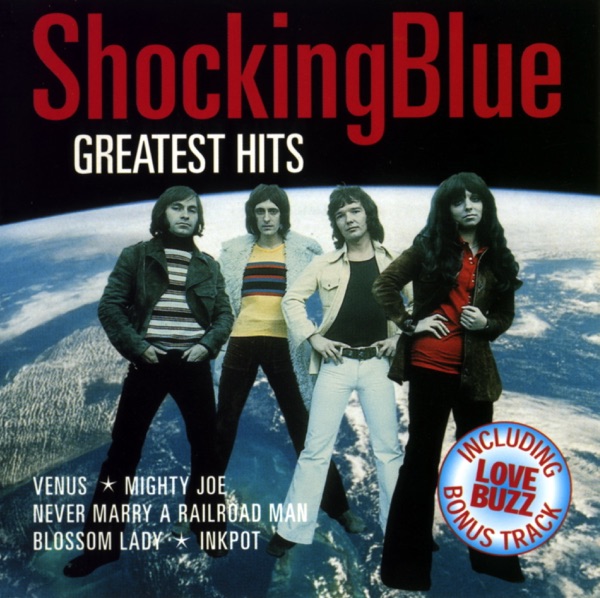
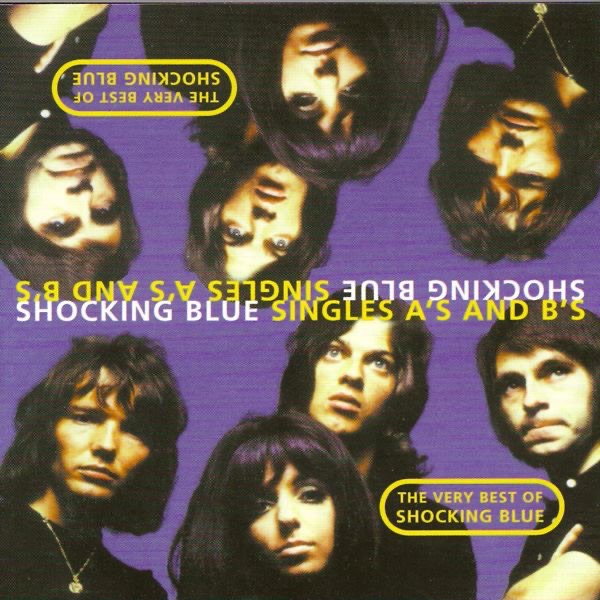
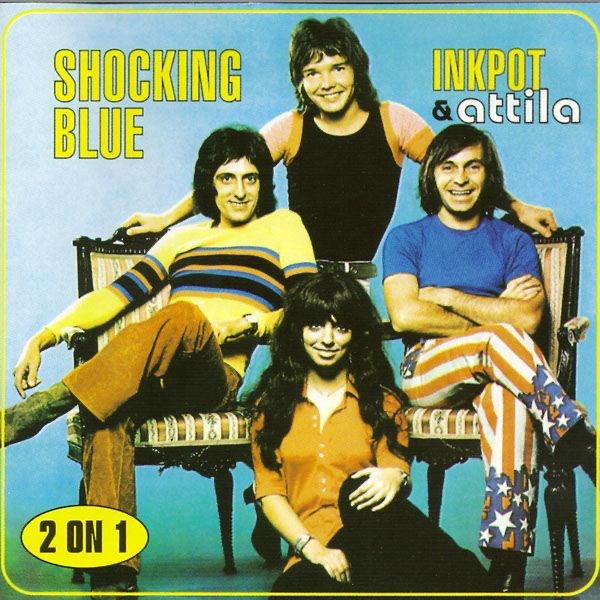
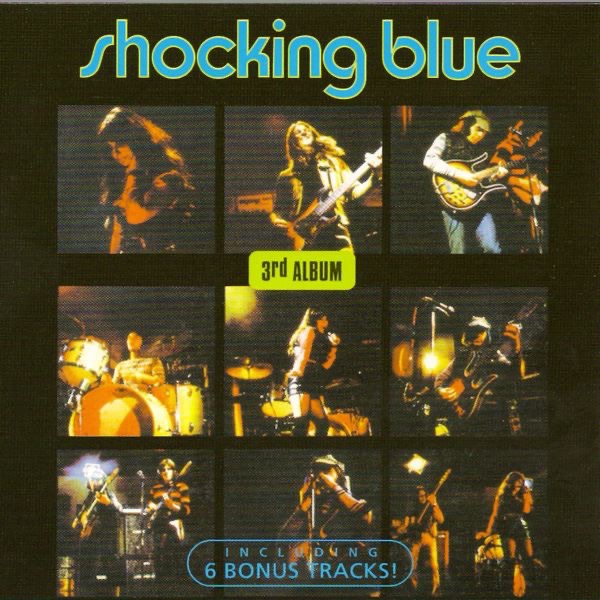
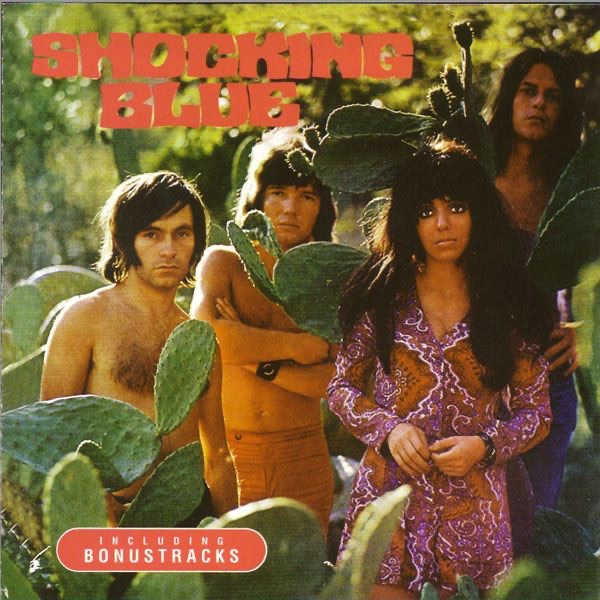
Out of The Hague, Netherlands, Shocking Blue burst onto the scene in 1967 with a sound that blended psychedelic rock, pop, and bluesy grooves into something distinctly their own. Guitarist and chief songwriter Robbie van Leeuwen was the creative engine behind the band, but it was the arrival of vocalist Mariska Veres that truly gave them their identity. With her dark, powerful voice and magnetic stage presence, Veres became one of rock's most underrated frontwomen of the era.
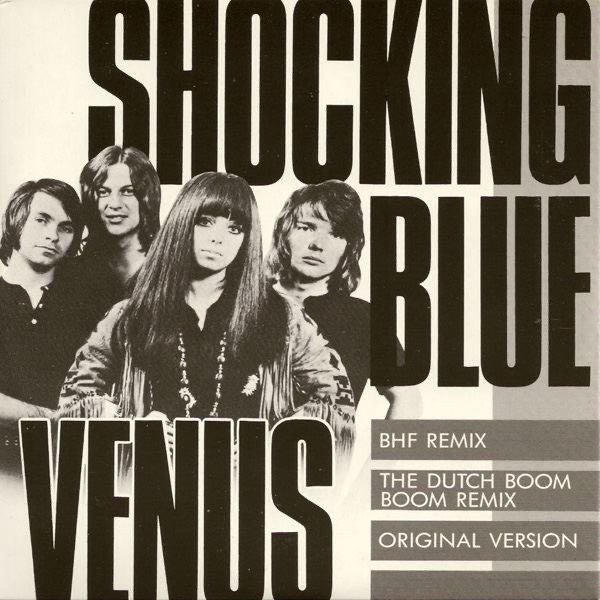
The band hit their commercial peak with Venus, a hypnotic slice of fuzz-guitar pop that topped charts across Europe and the United States in 1969 and 1970, making them one of the few Dutch acts to crack the American market in that period. Their albums At Home and Scorpio's Dance showcased a deeper catalog full of raw, groove-heavy rock that deserves way more attention than it typically gets. The writing was tight, the riffs were sticky, and Van Leeuwen had a genuine knack for melody.
Their cultural footprint extends well beyond their original run. Venus was famously covered by Bananarama in 1986, introducing Shocking Blue to a whole new generation, and the original has been sampled and referenced countless times since. They remain a fascinating case of a band whose influence quietly outran their fame.