About
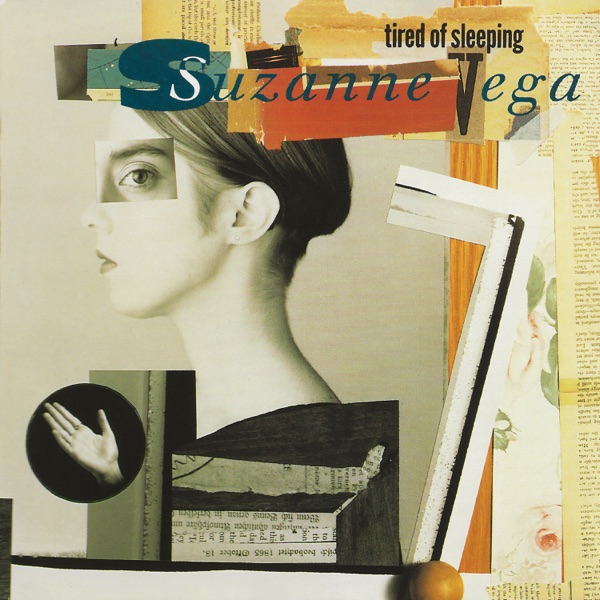
New York City's folk-rock scene gave rise to Suzanne Vega in the early 1980s, when she was cutting her teeth playing acoustic sets in Greenwich Village clubs, following in the footsteps of the singer-songwriter tradition that had defined that neighborhood for decades. Vega is essentially a solo artist backed by rotating collaborators, with producer Lenny Kaye and later Mitchell Froom playing significant roles in shaping her sound across different eras of her career. Her style blends introspective folk storytelling with understated rock sensibilities, favoring sparse arrangements, precise guitar work, and cool, detached vocals that carry an unsettling emotional weight beneath their surface calm. Her 1985 self-titled debut turned heads, but 1987's Solitude Standing absolutely broke through, with Luka becoming an unlikely top-ten hit despite dealing unflinchingly with child abuse. Days of Open Hand and 99.9F further pushed her into more adventurous sonic territory. Her cultural footprint extends beyond music history class fare too — her a cappella track Tom's Diner famously became the test recording used to develop the MP3 format, making her voice arguably one of the most technically significant in the digital age. For rock fans who appreciate craft and intelligence over volume, Vega rewards close attention.