About
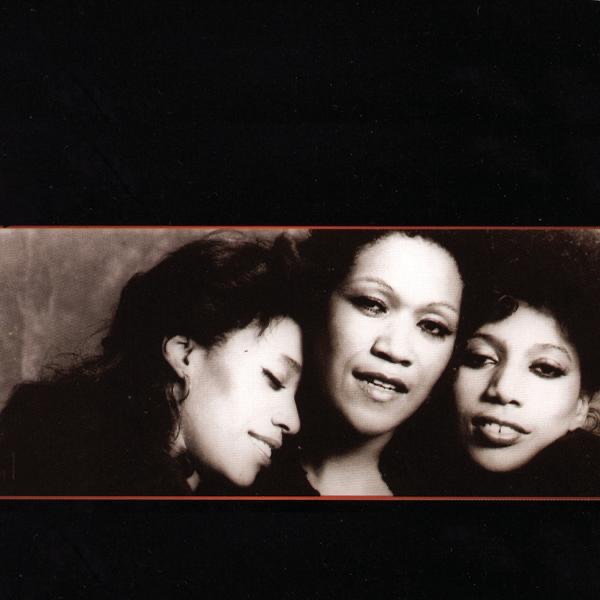
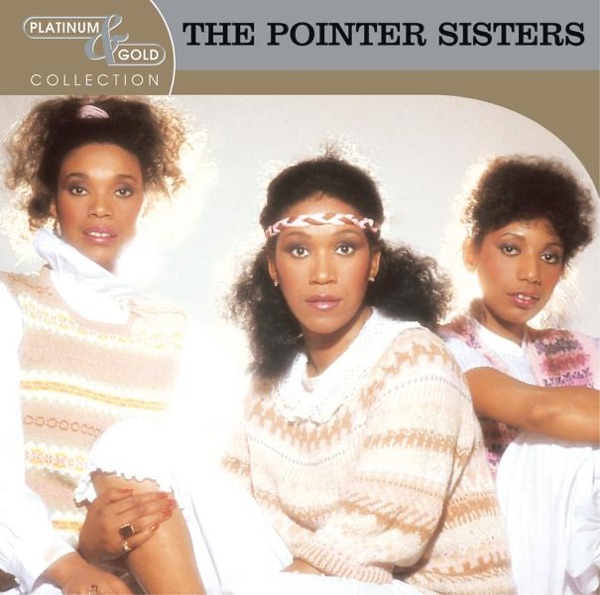
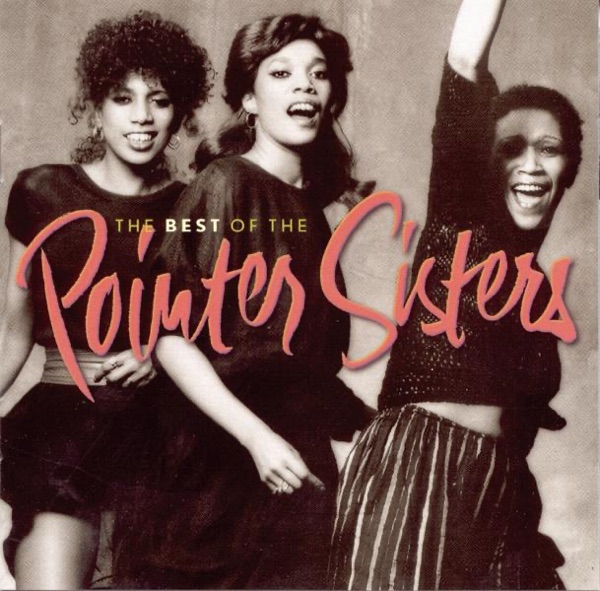
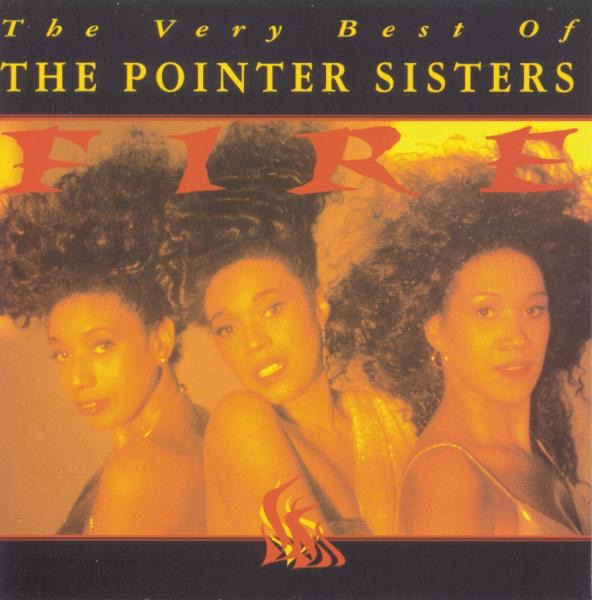
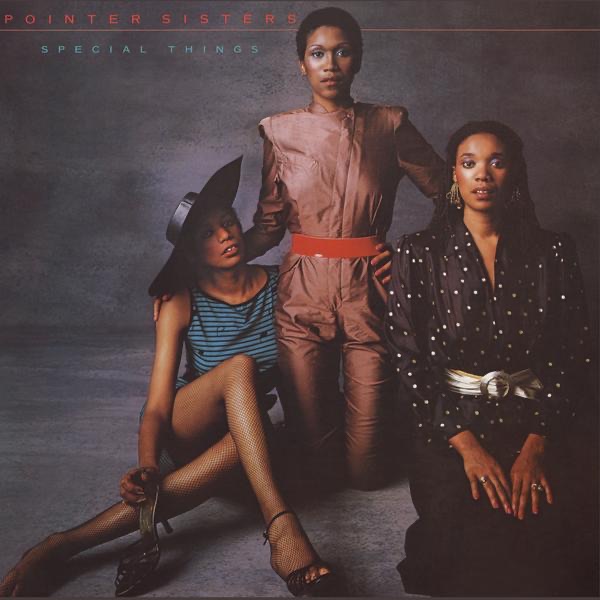
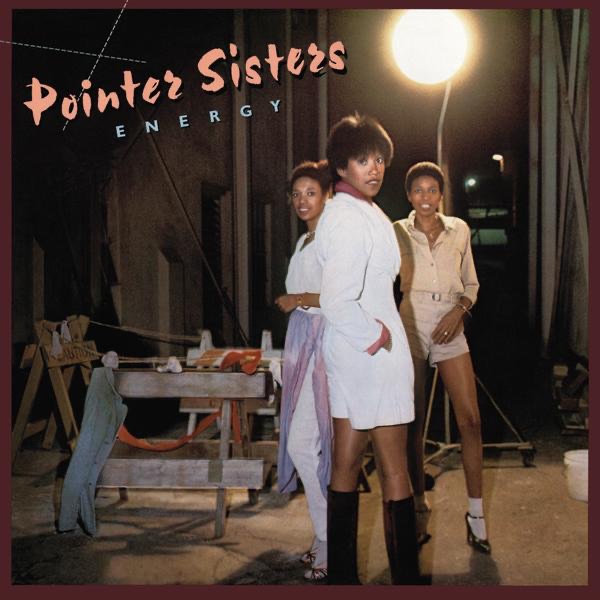
Ruth, Anita, Bonnie, and June Pointer grew up singing gospel in Oakland, California, and that church-bred vocal firepower became the foundation for one of the most genre-defying acts of the 1970s and 80s. Starting out as a four-piece before Bonnie departed for a solo career in 1977, the remaining trio of Ruth, Anita, and June built a catalog that refused to stay in one lane — bouncing from country to R&B to pop to outright rock with a confidence that most artists could only dream about. Their 1974 Allen Toussaint-produced track Fairytale even earned them a Grammy for Best Country Vocal Performance, which tells you everything about their range.
For rock fans specifically, the 1982 album Break Out is where things get genuinely interesting. Produced by Richard Perry, it leaned hard into synth-driven new wave territory, spawning massive hits like Jump (For My Love) and I'm So Excited. The energy on those tracks hits with a punch that crosses genre lines cleanly. Their willingness to embrace electronic production without losing that raw vocal muscle gave them a sound that held up alongside anything MTV was pushing at the time. Culturally, the Pointer Sisters proved that Black women could command arenas and reshape pop radio on their own terms, leaving a fingerprint on everything from dance-pop to contemporary R&B that followed.